2020

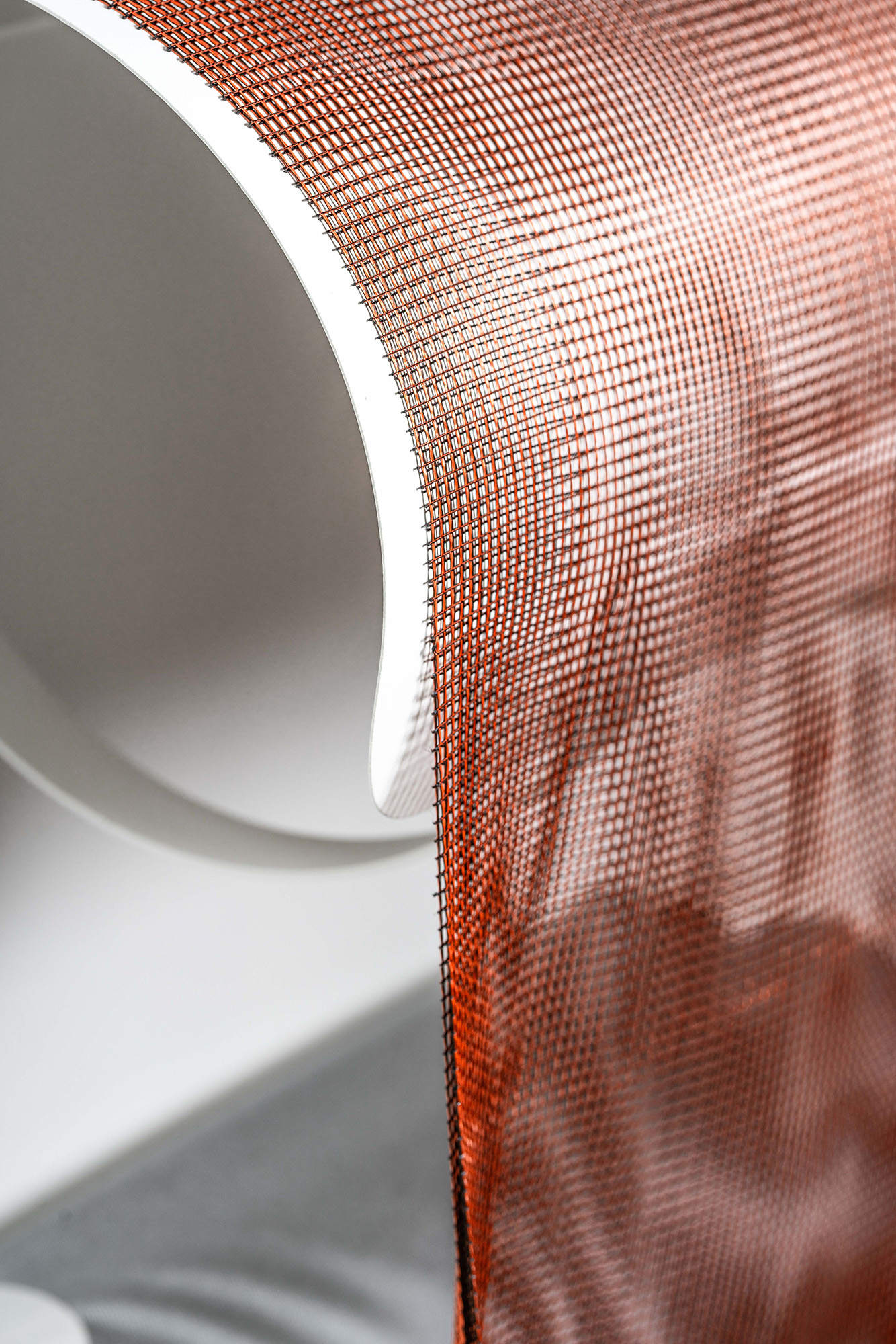
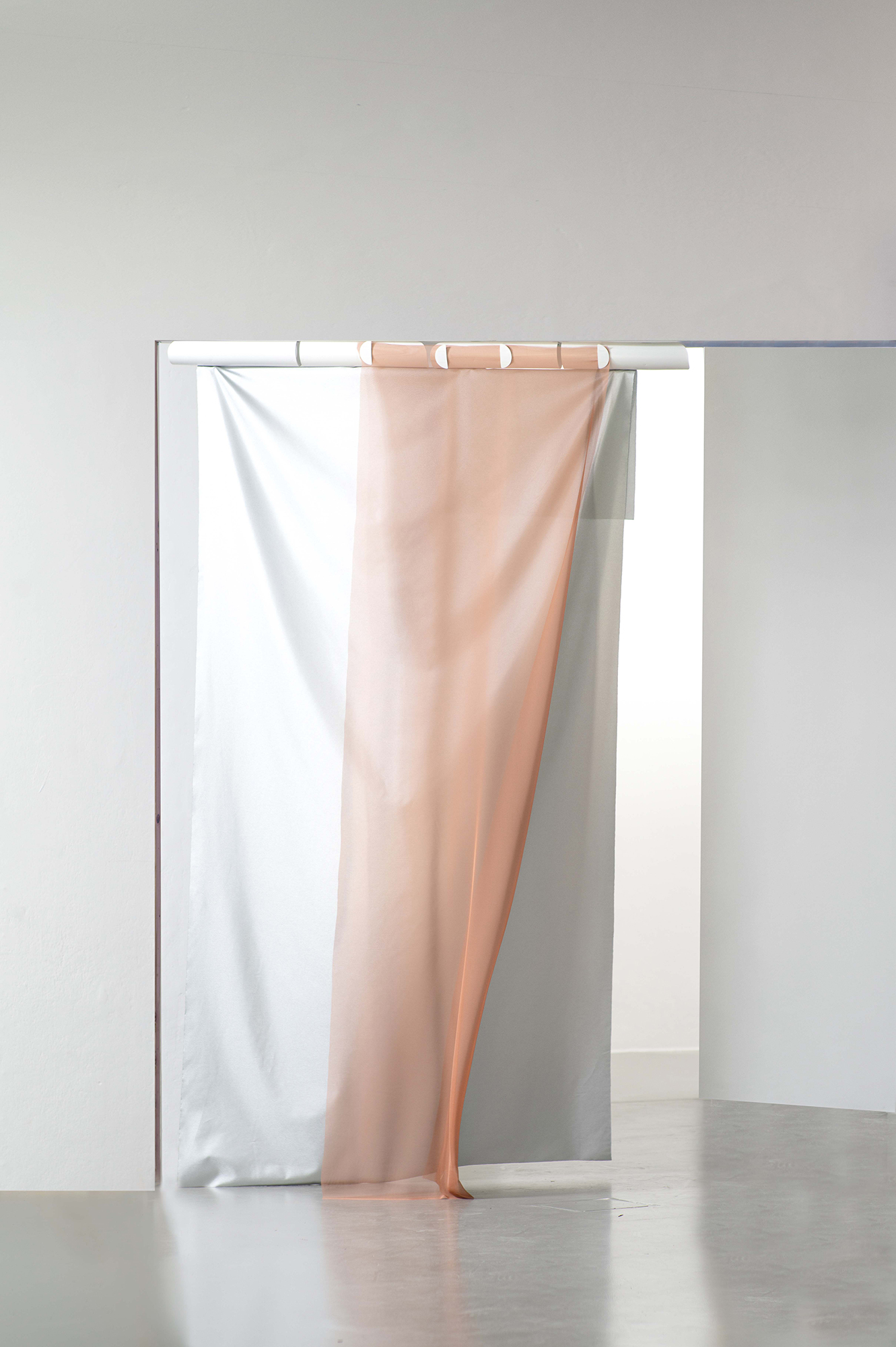
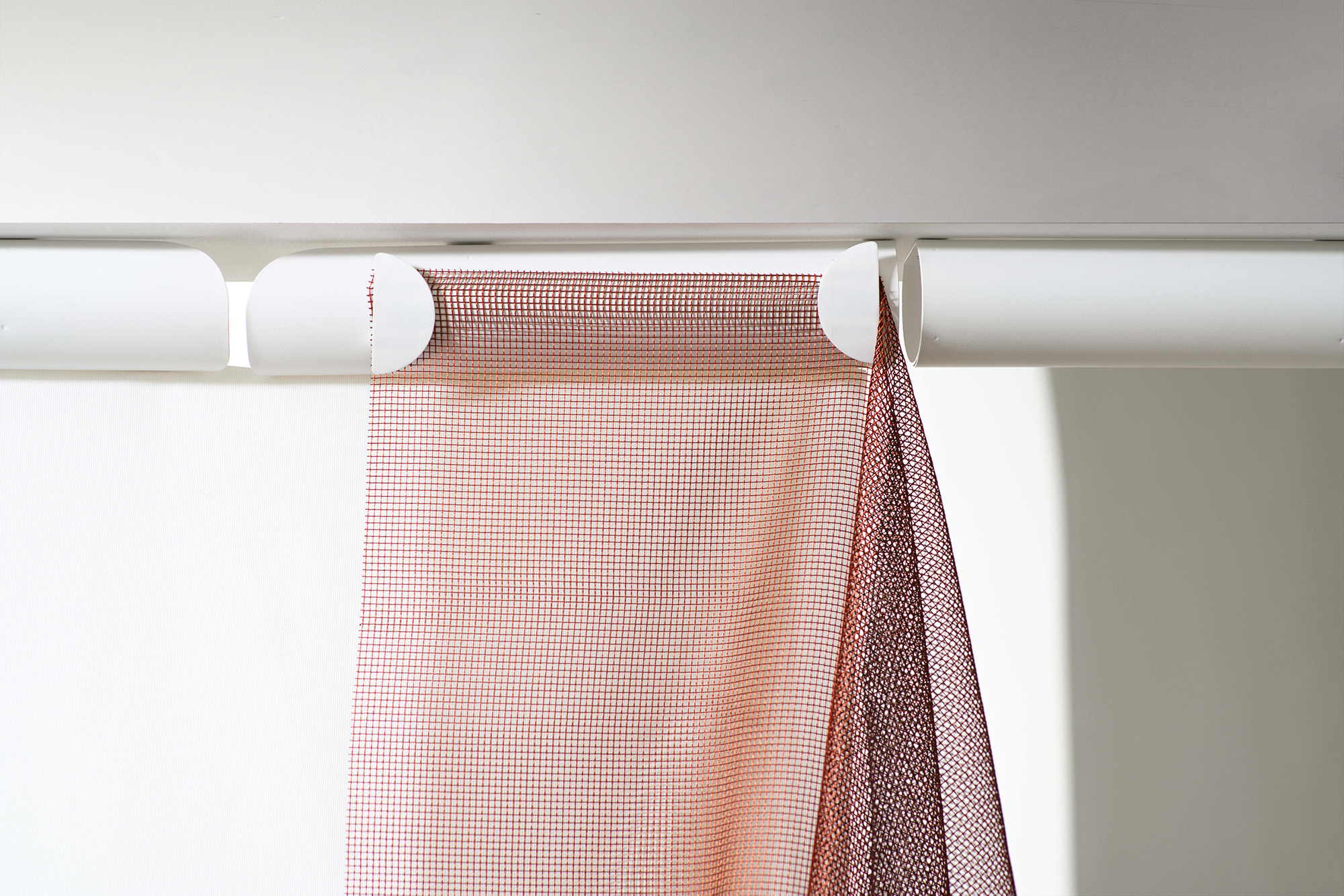
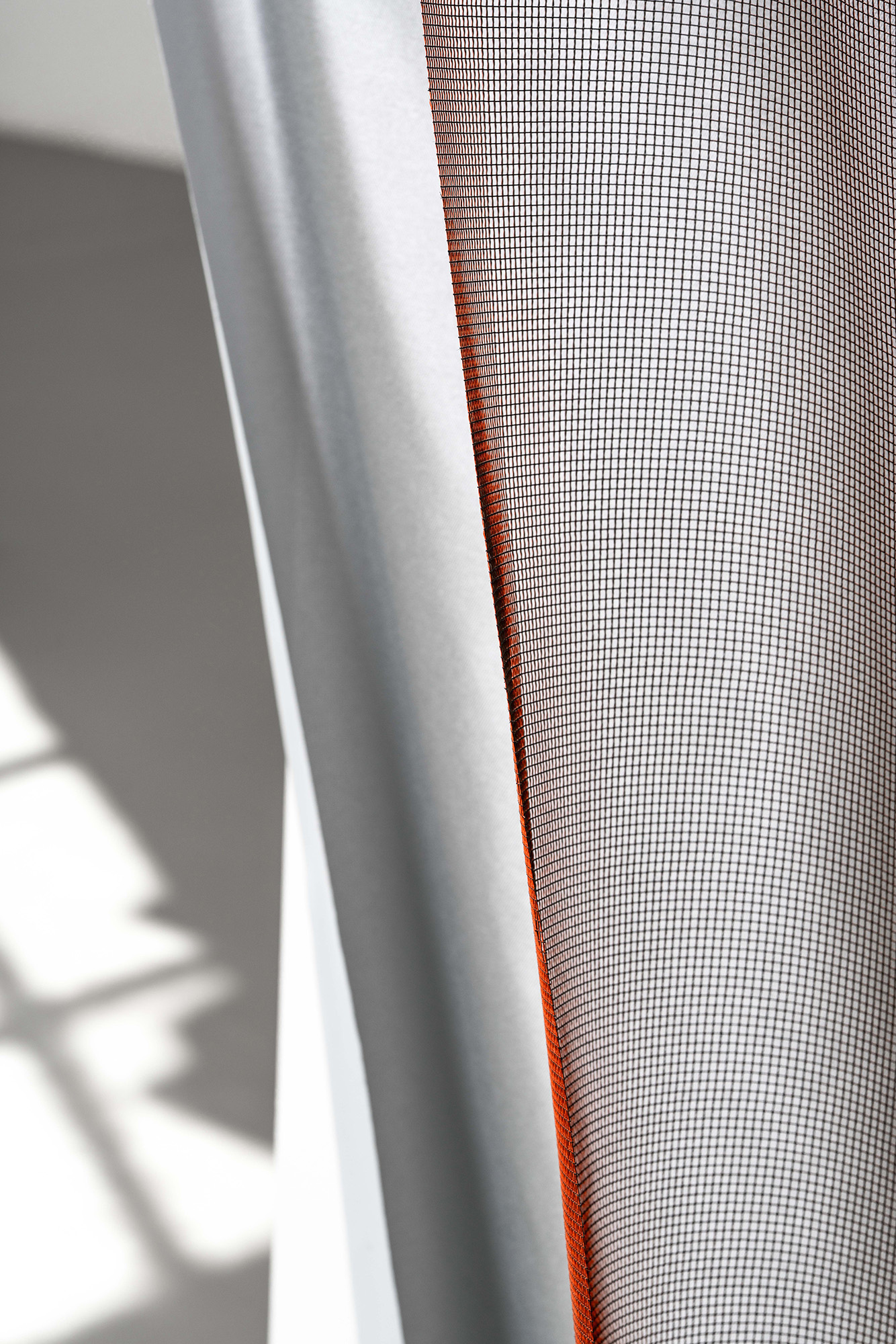
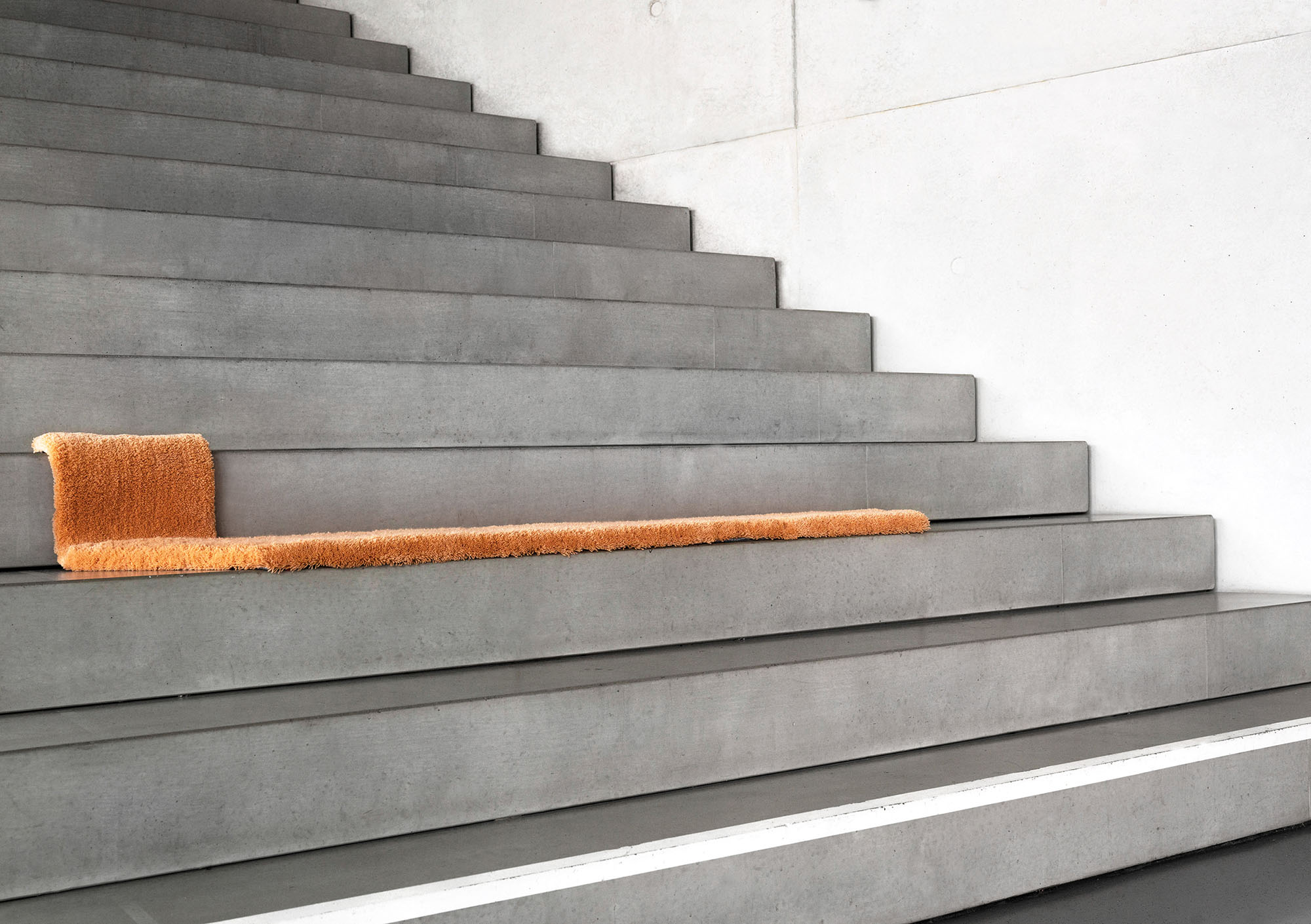
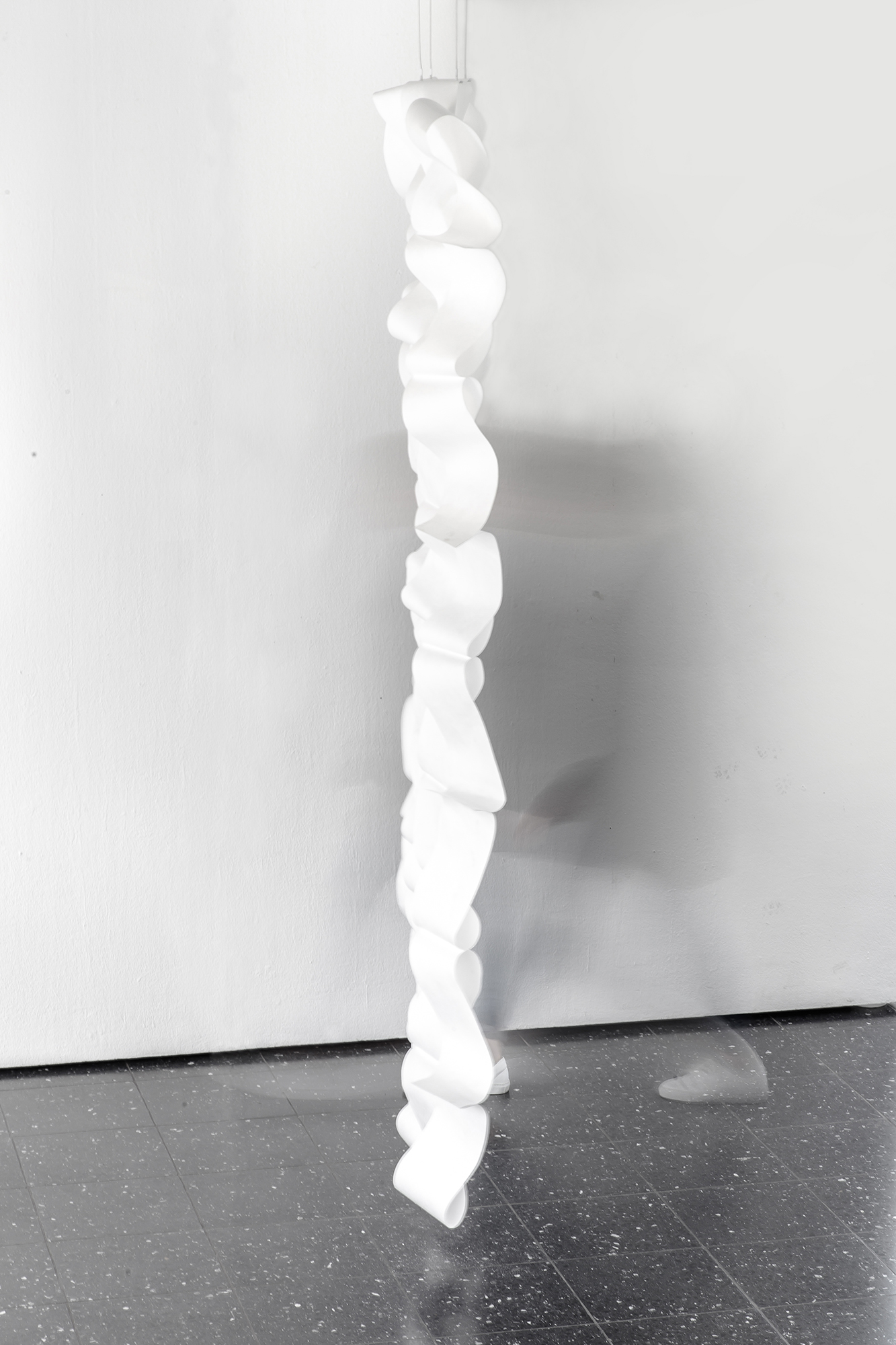
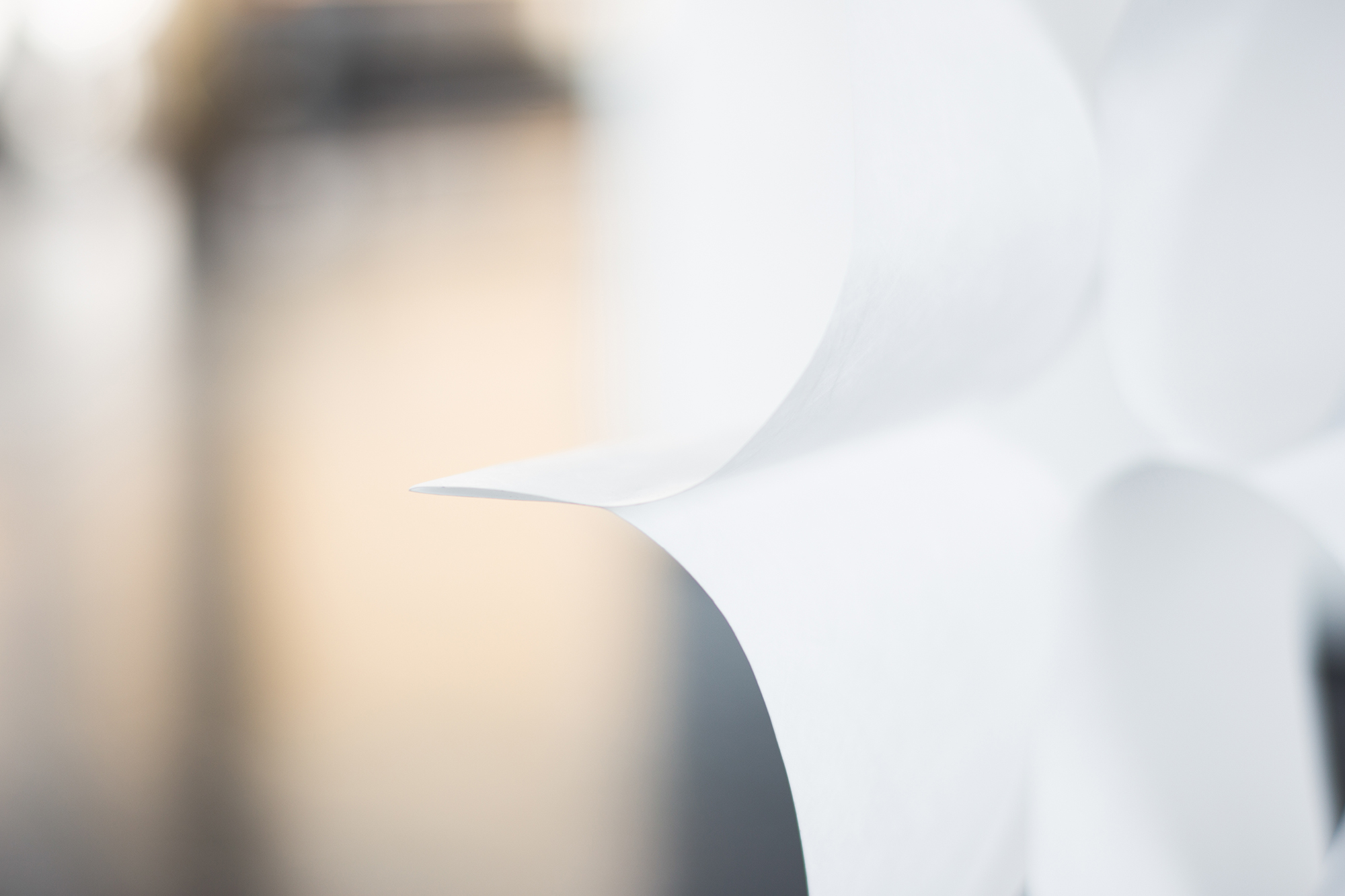
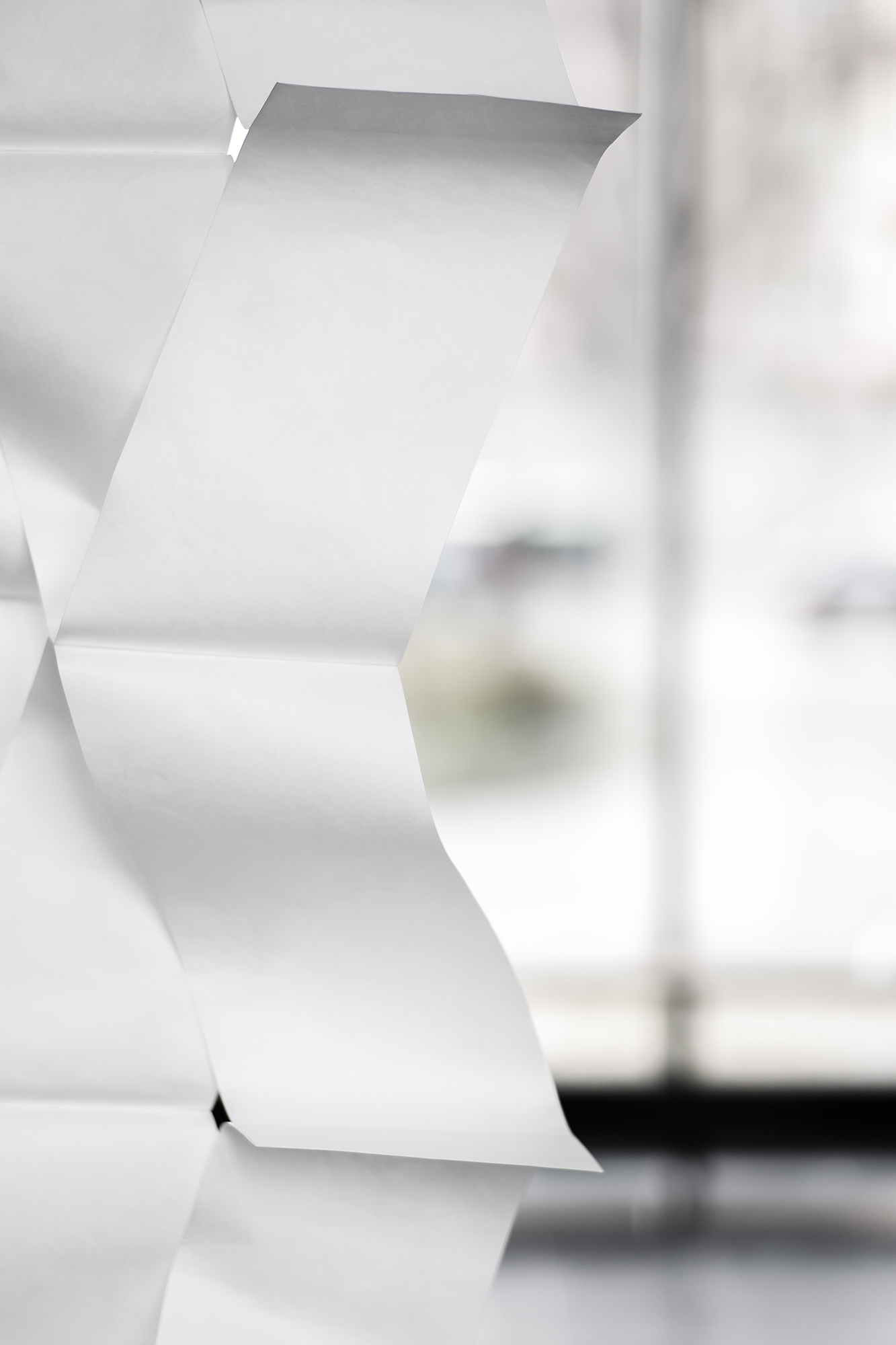
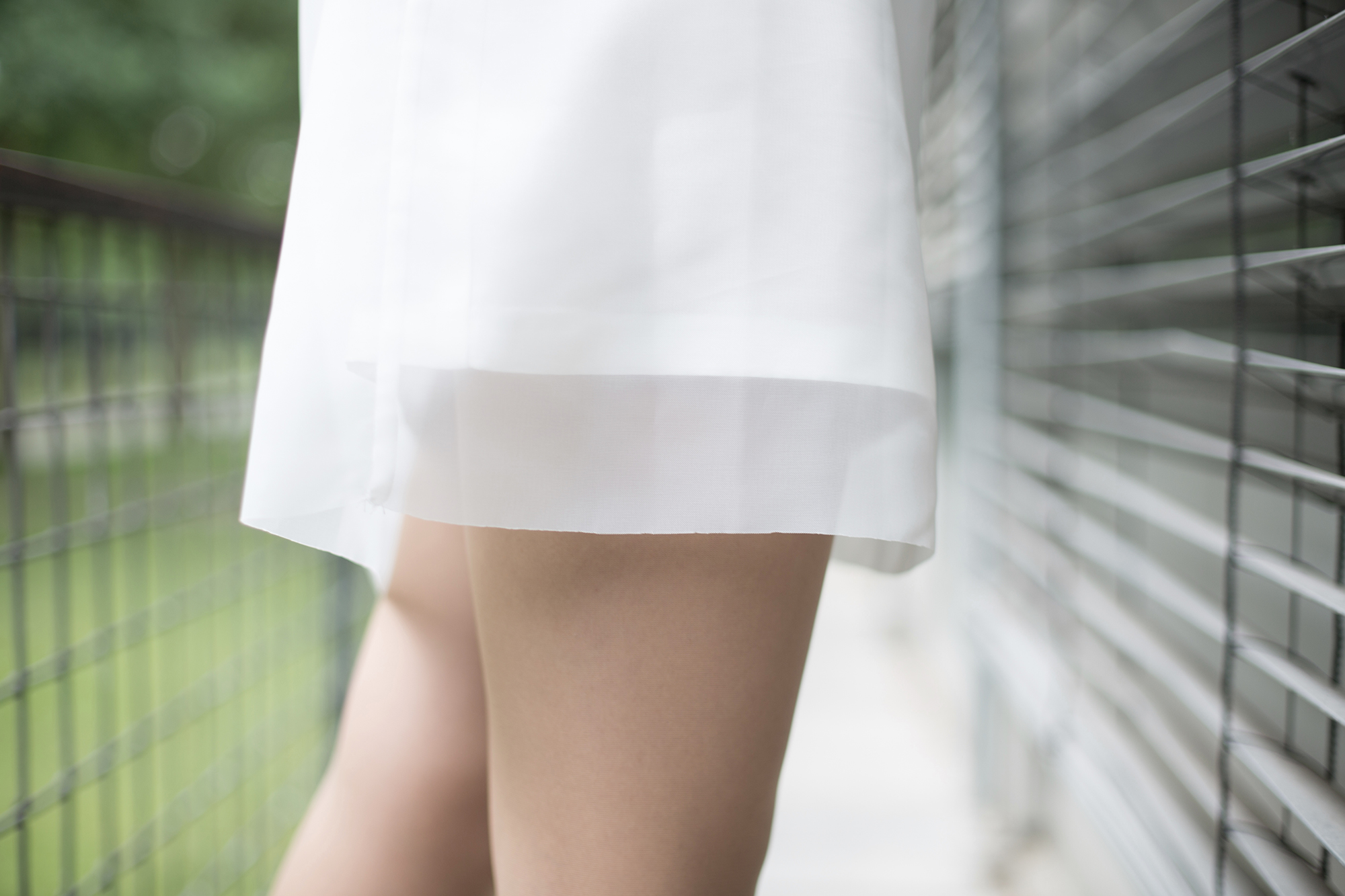
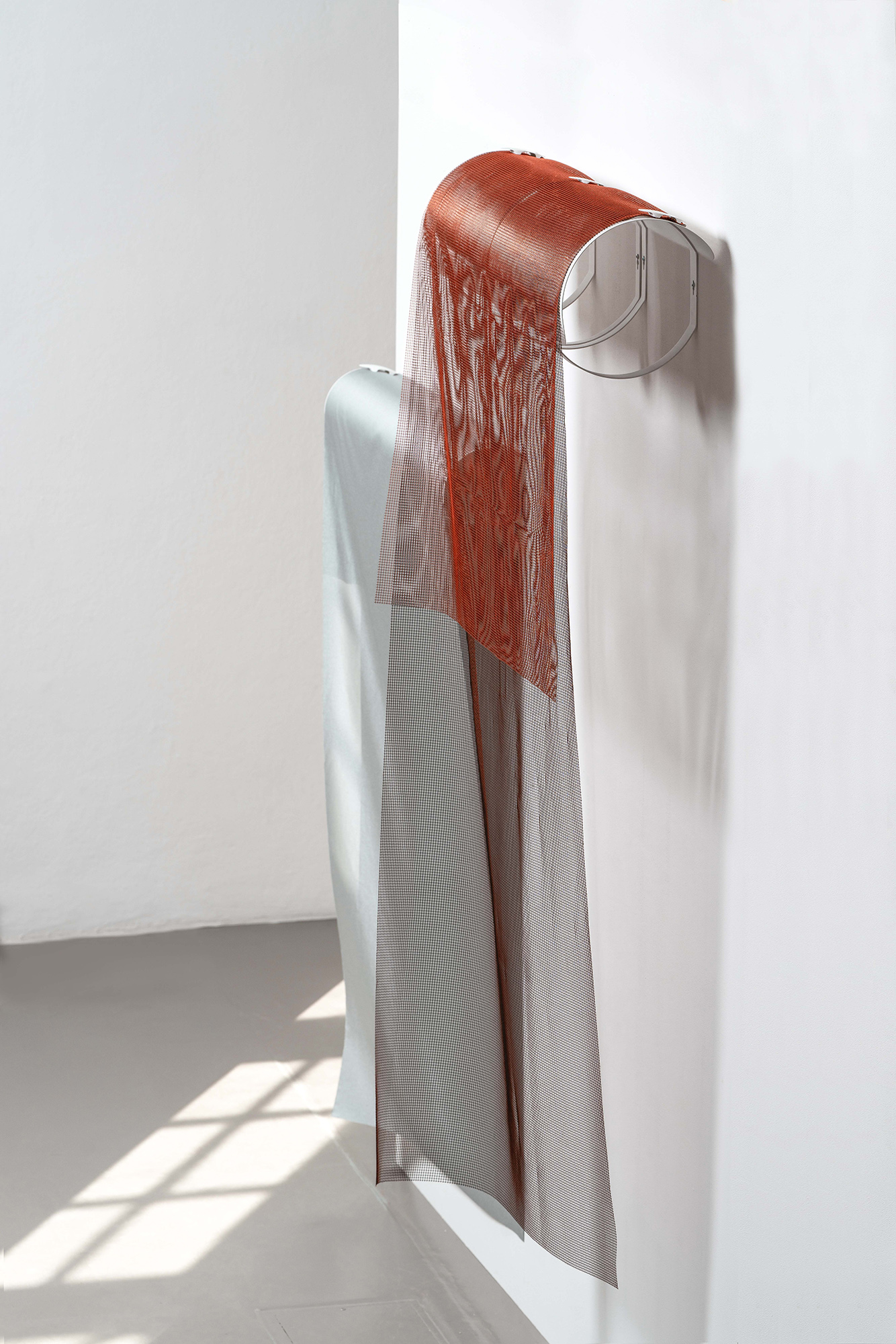
Lé ist das Ergebnis der Diplomarbeit mit dem Titel „Responsive Flächen - Textile Eingriffe in den Wohnraum“. Der Entwurf ist ein Vorschlag, wie die Rolle von Textilien im Wohnraum anders gestaltet und kommuniziert werden kann. Textilen Flächen wird eine neue Form gegeben als Wohnobjekte, die auf deren teilweise unsichtbare und unbeachtete Qualitäten aufmerksam machen.
Stoffbahnen bespielen den Raum in veränderbaren Kompositionen, in Ebenen, Schlaufen oder Falten. Dünne Profile aus Stahlblech ermöglichen das Aufhängen in unterschiedlichen Positionen und Anordnungen, um in diversen Formationen wahlweise an der Decke, an der Wand oder vor dem Fenster befestigt zu werden. Sie dienen als Halterung für textile Flächen, die mittels magnetischer Verbindungselemente frei auf der metallischen Fläche zu arrangieren sind. Dabei können die Stoffe raumteilend über dem Boden schweben, Ebenen bilden, Dinge verstecken, abschirmen, Schatten spenden, Schall dämpfen, das Raumklima regulieren oder als dekorative Skulpturen und Bilder dienen.


Lé is the result of the diploma thesis entitled "responsive surfaces - textile interventions in the living area". The design is a proposal about how the role of textiles in the domestic space can be displayed and communicated differently. Textile surfaces are given a new form to as furniture objects that draw attention to their partly invisible and overlooked qualities.
Fabric panels are diplayed in changeable compositions, in layers, loops or pleats. Thin-walled sheet-metal profiles can be hung in different positions and arrangements, attached either to the wall, the ceiling or near the window. They provide attachment for the textile surfaces that are to be arranged freely on the metal surface by the means of magnetic connectors. Thus the fabrics may hover above the ground dividing space, build layers, hide things, screen, give shade, absorb sound, regulate the indoor climate or serve as decorative sculptures and images.

fabrics: Création Baumann, photos: Liang Zhang, Lea Lüdtke
RELIEF

2019

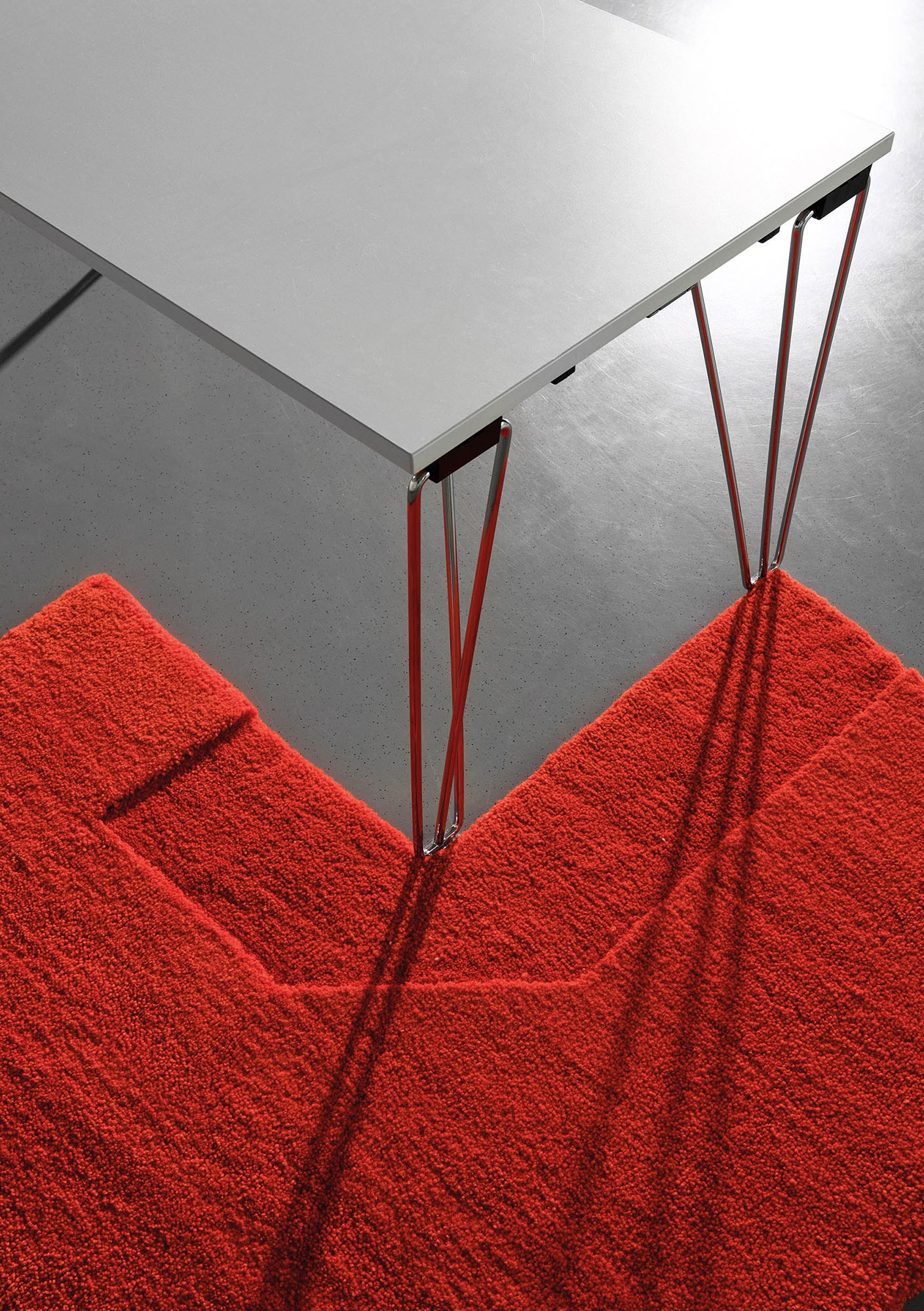
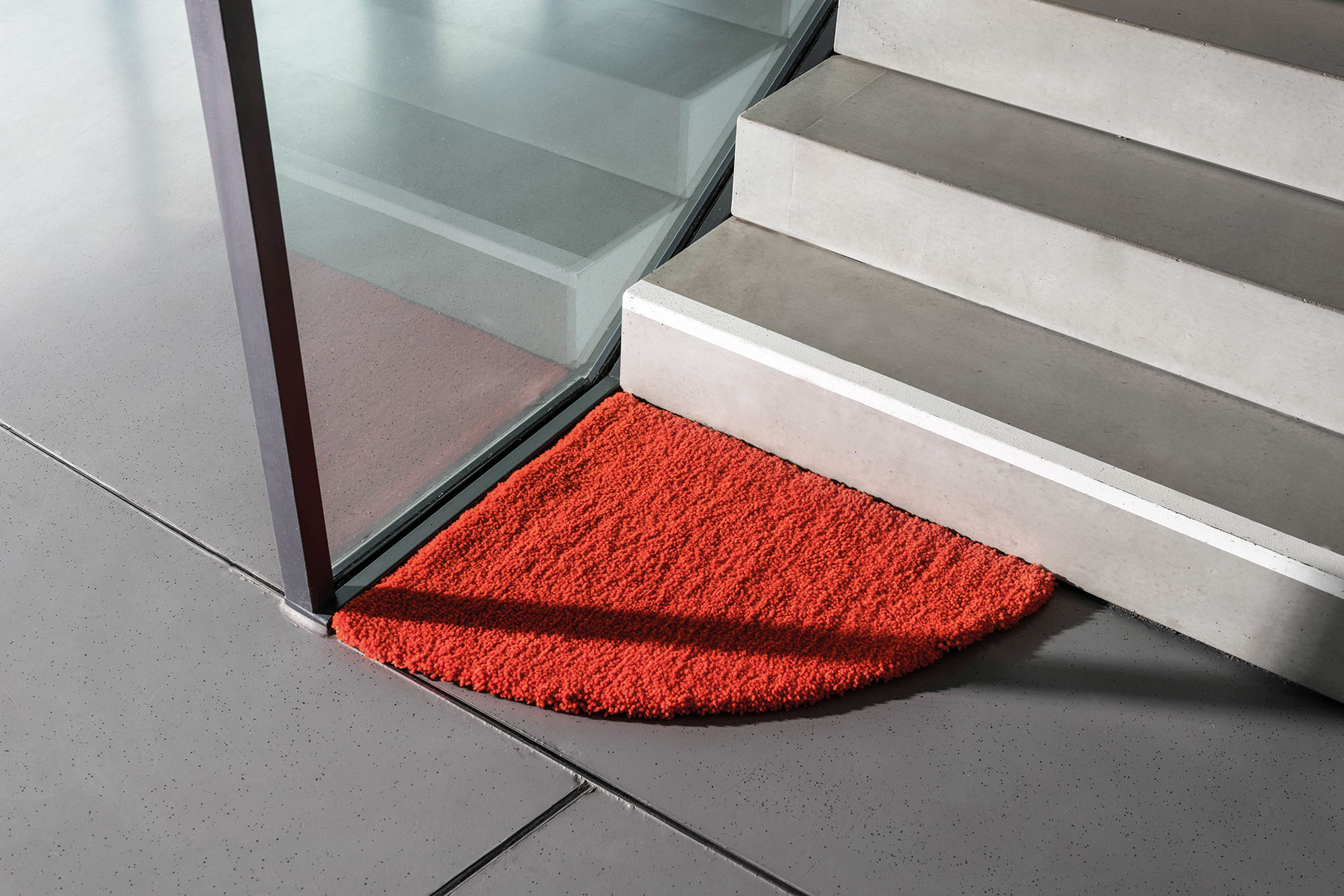
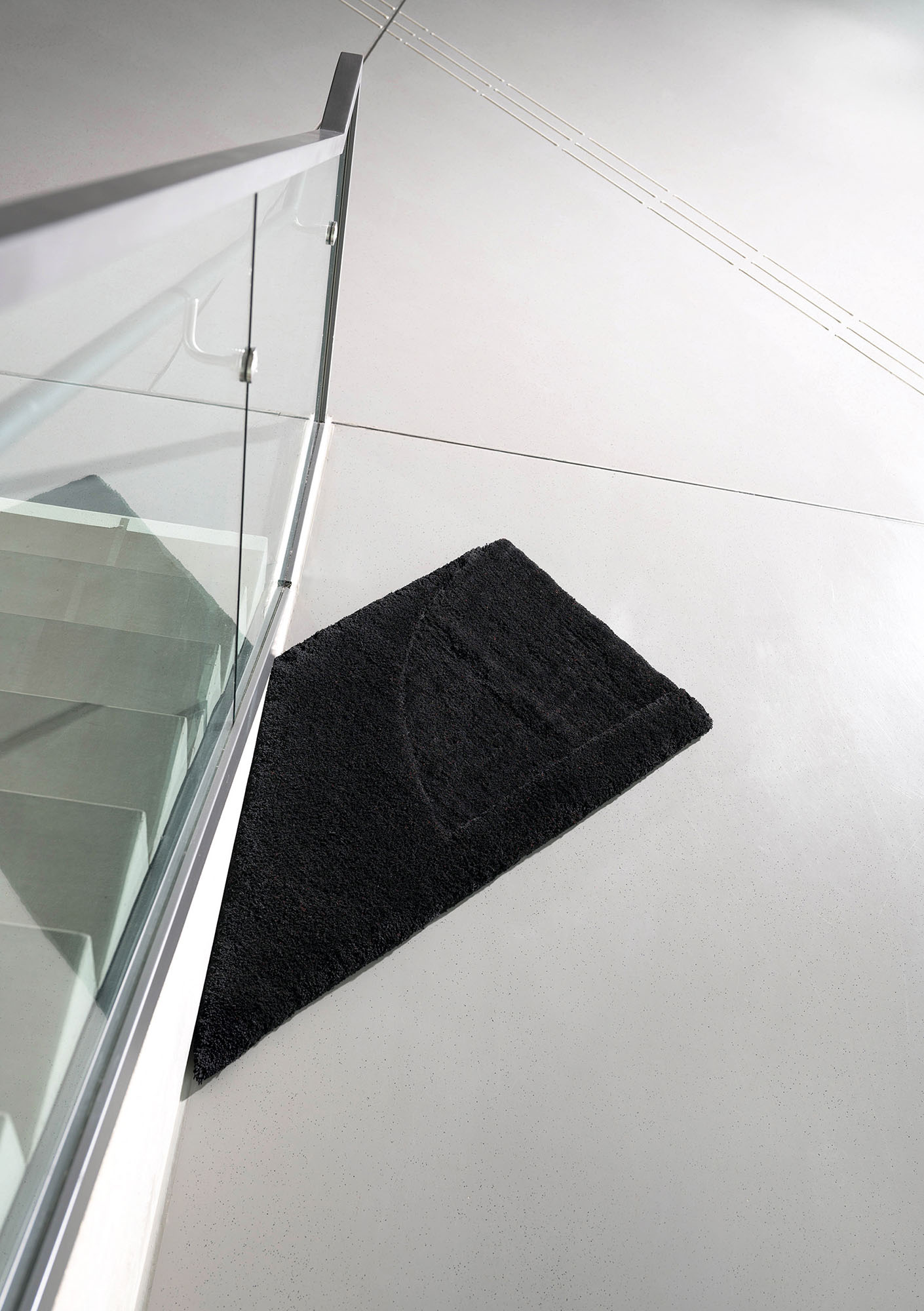
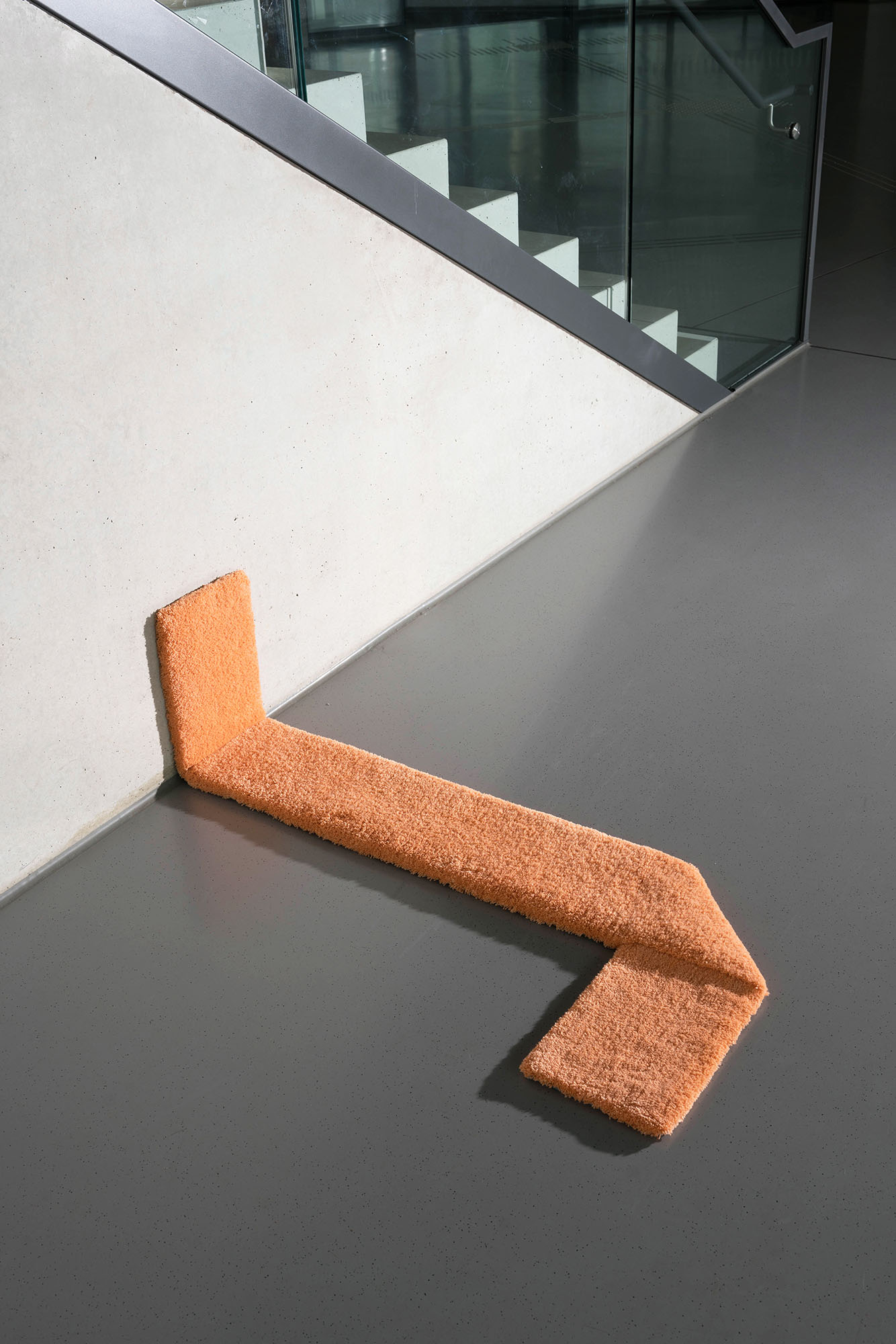
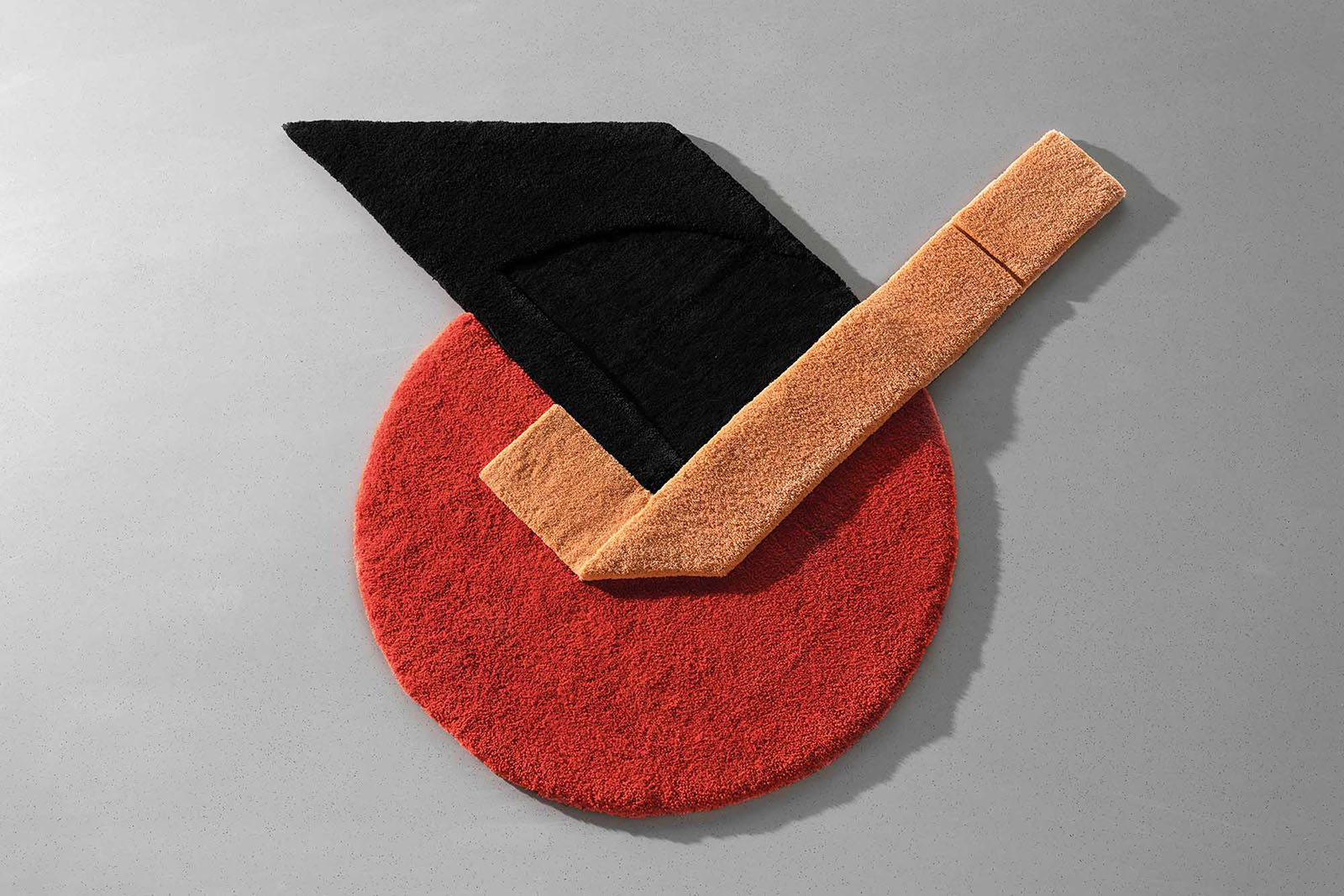
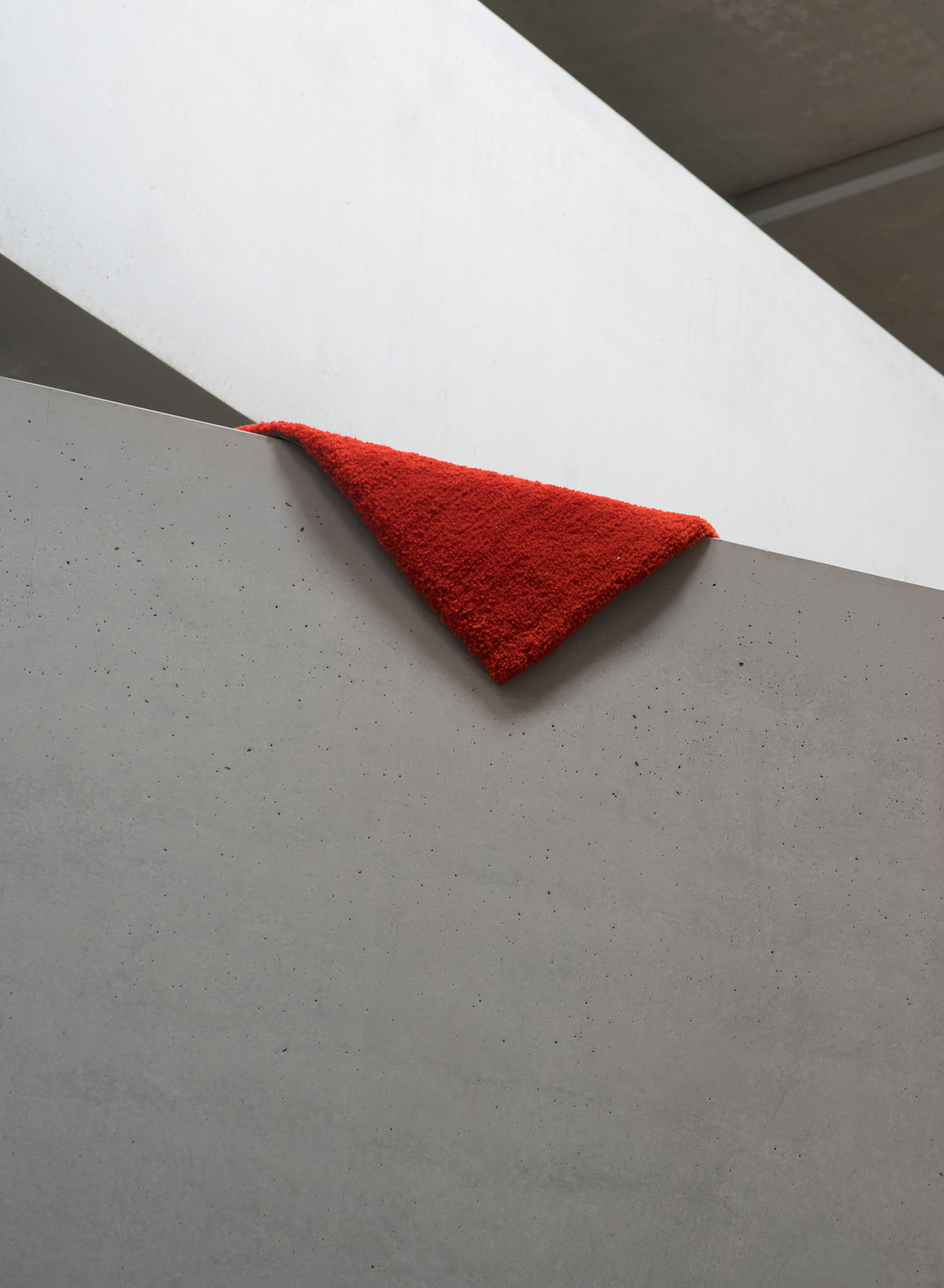
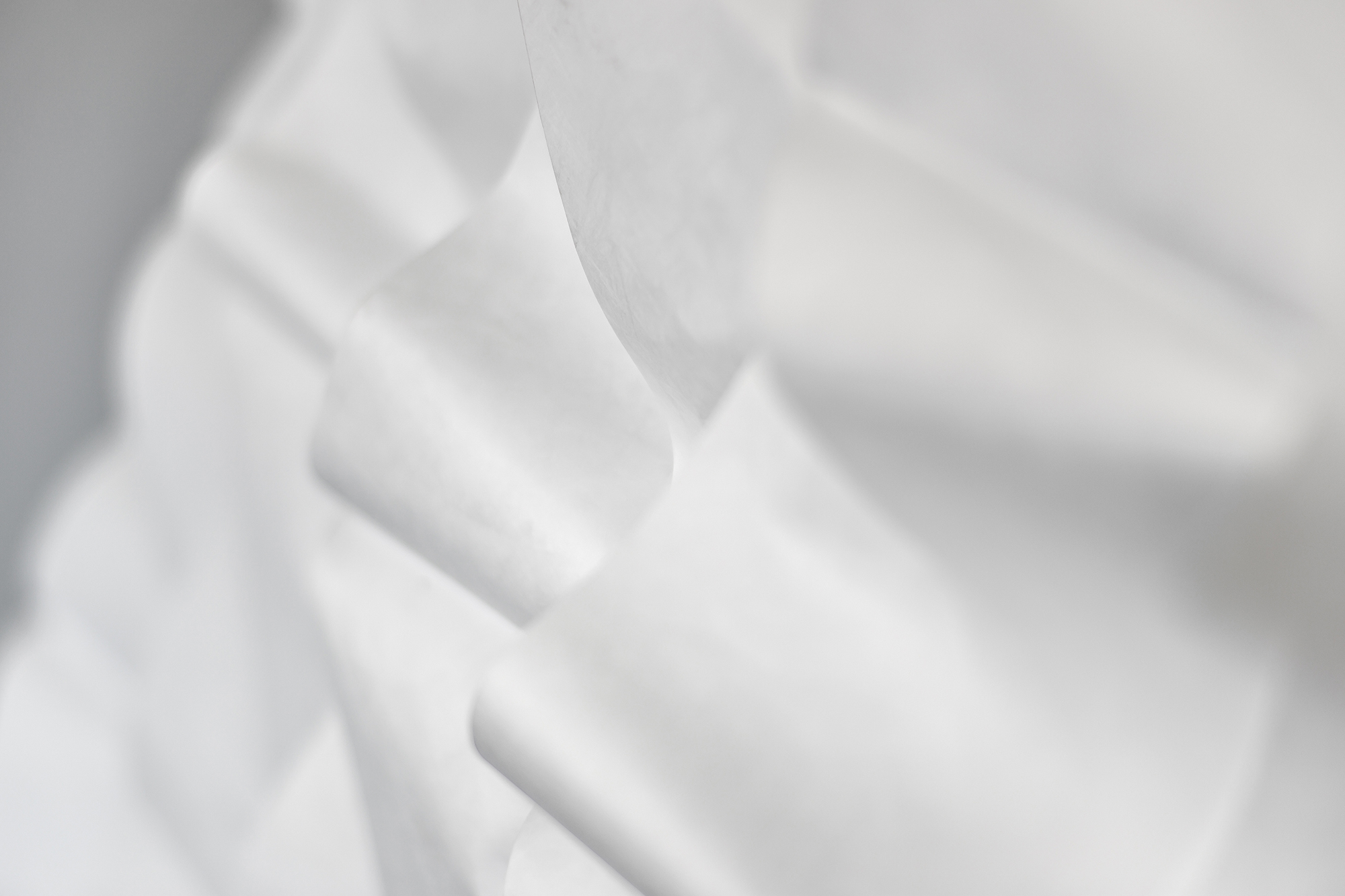
Welche Rolle nimmt der Teppich im Raum ein? Wie beeinflusst er Raumwahrnehmung und -dramaturgie? Der mehrteilige Entwurf begreift den Boden als Bildfläche, die mit variablen Elementen bespielt wird. Unkonventionelle, miteinander korrespondierende Formate und Reliefs fordern dazu auf, sich den Raum zueigen zu machen, Objekte und Beziehungen zu akzentuieren und zu verändern. Formal ist das Produkt als Interpretation der geometrisch-räumlichen Kompositionen konstruktivistischer Kunstwerke zu sehen.


What role does a carpet take up in a room? How can it affect a room‘s perception and dramaturgy? The multi-piece design understands the floor as a screen which variable elements are being displayed on. Unconventional formats and reliefs corresponding with one another encourage the user to take possession of the room and to accentutate and modify objects and relations. Formally, the product represents an interpretation of the geometric and spatial compositions of constructivist works of art.

photos: Liang Zhang

CARRÉ

2019

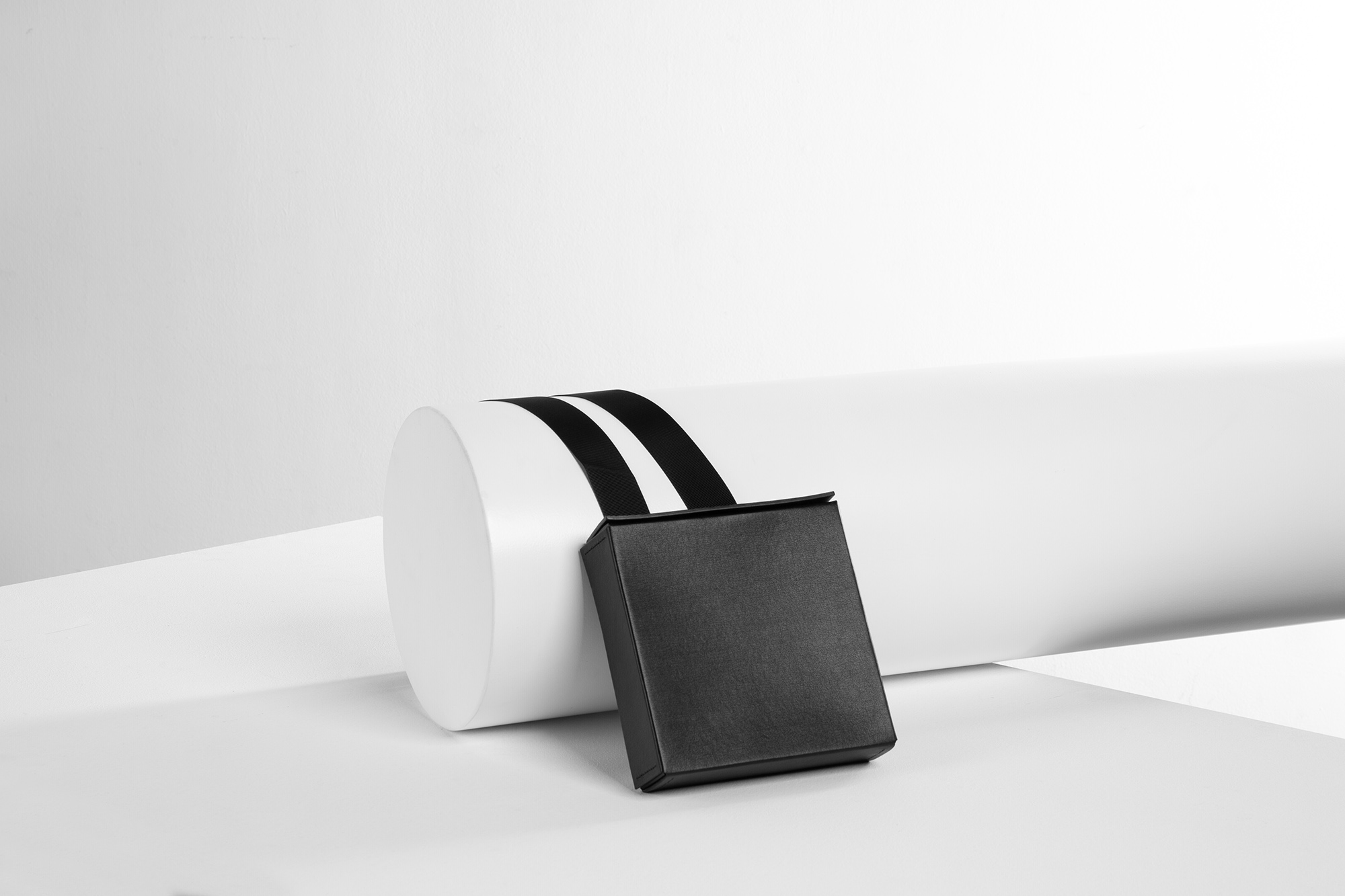
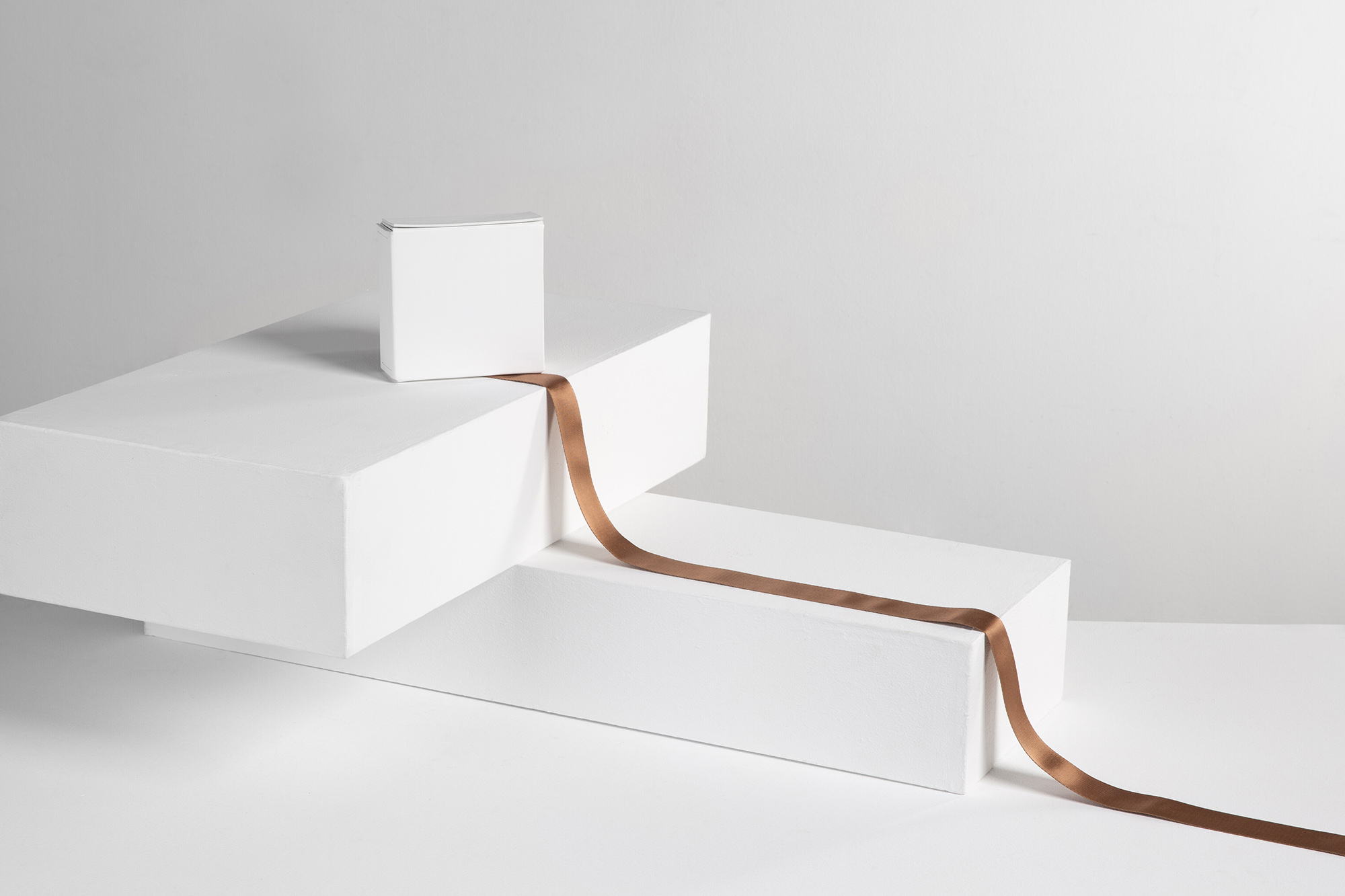
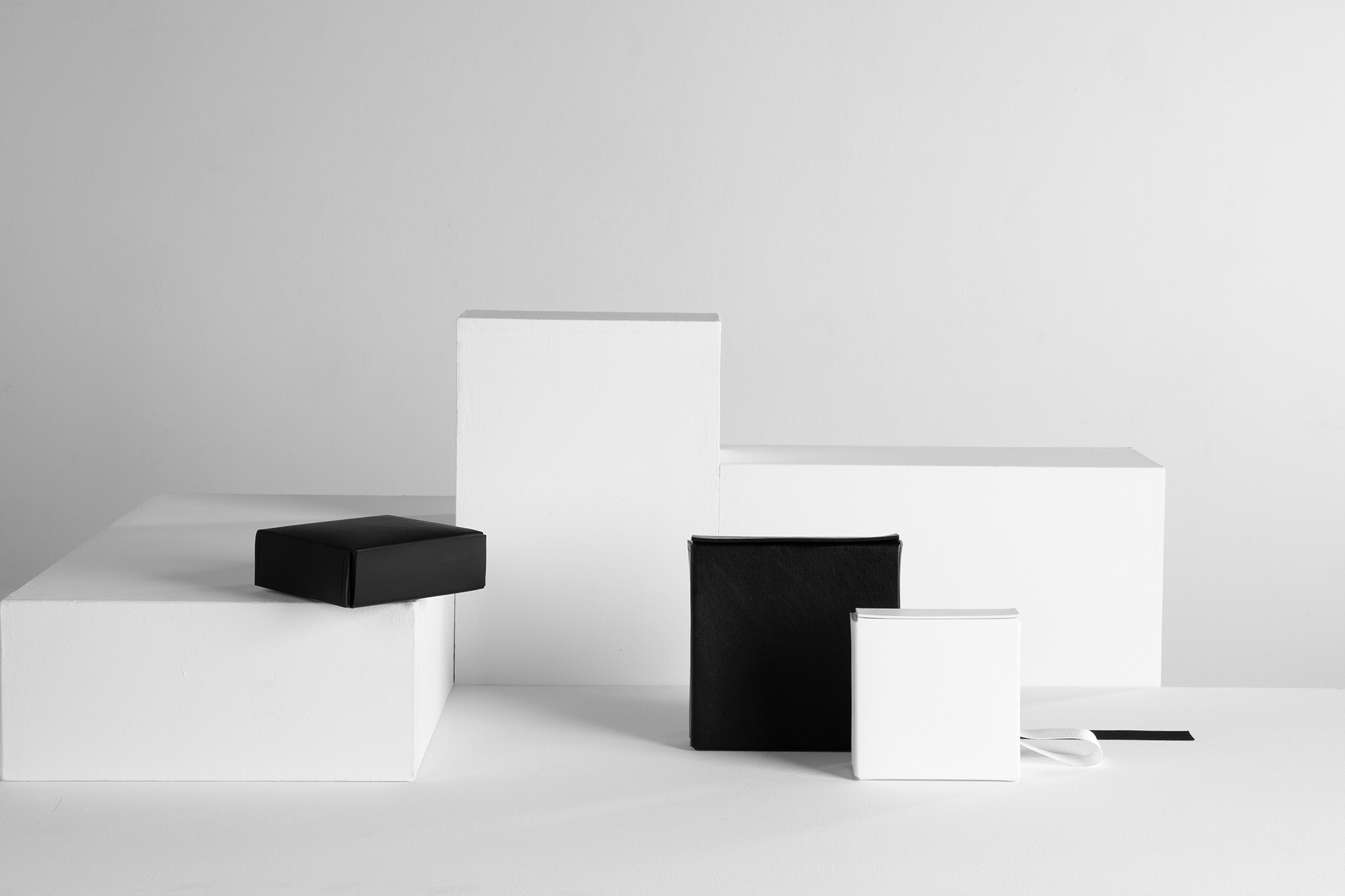
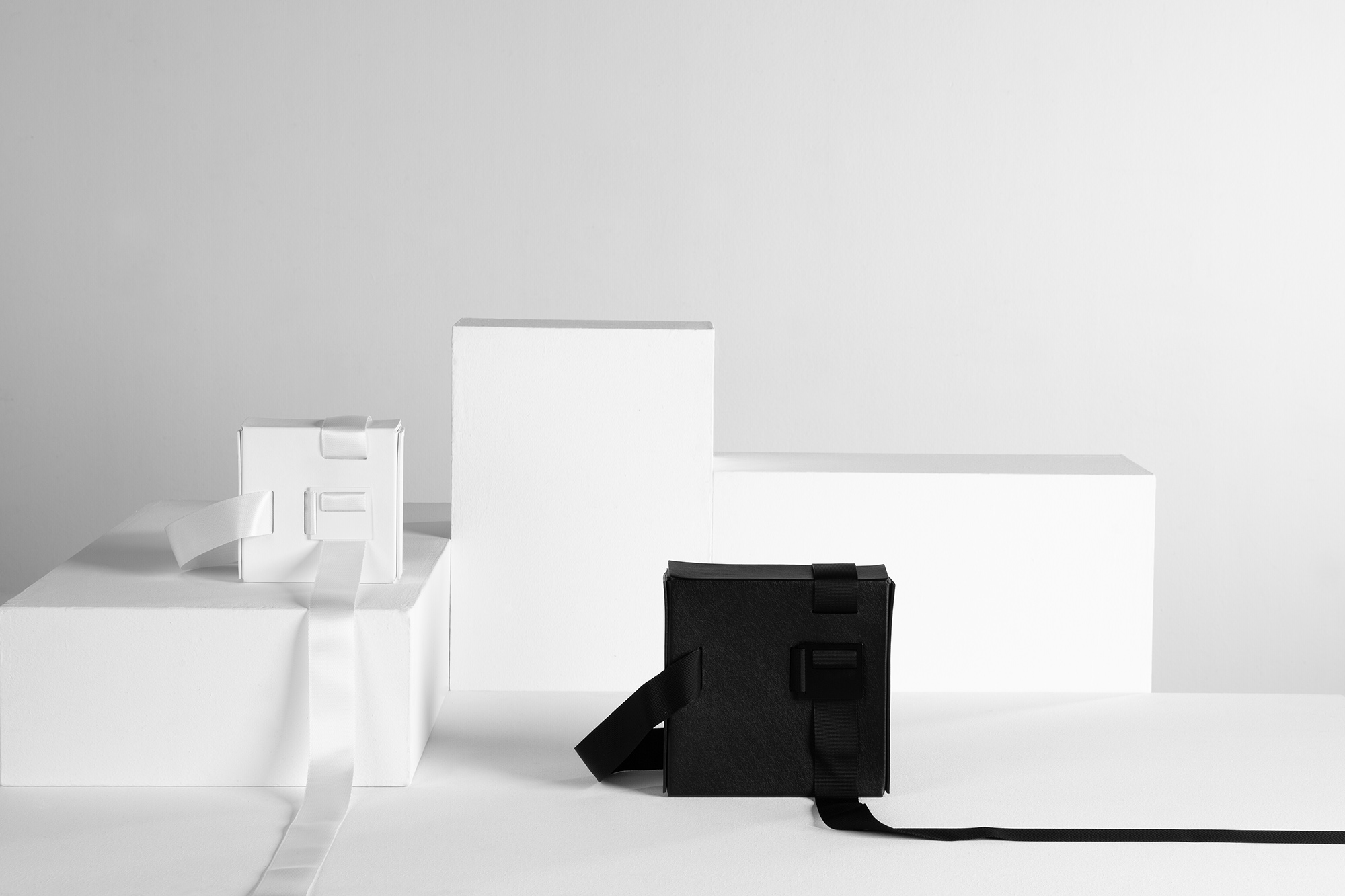
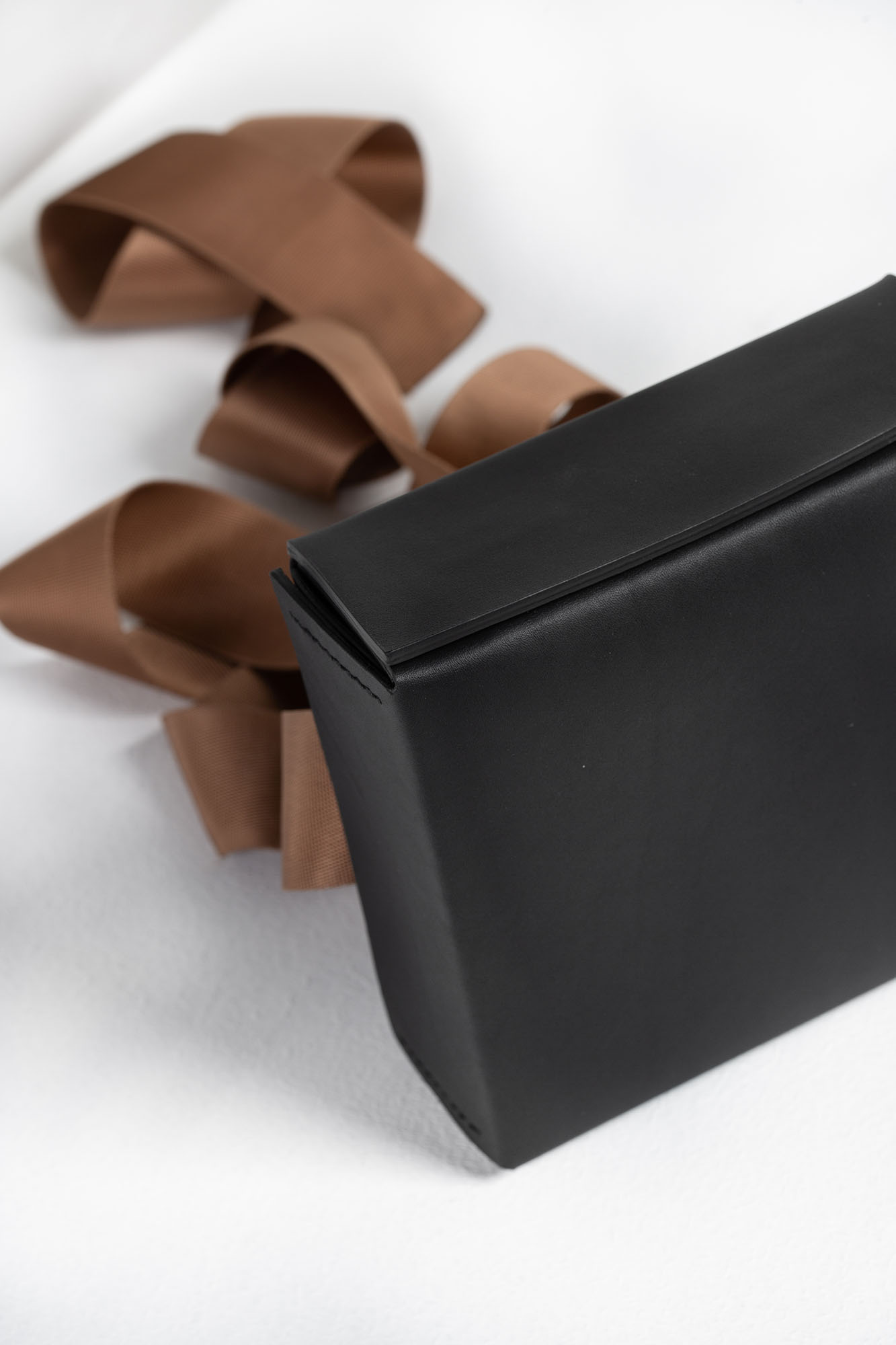
Die Kollektion Carré entsteht aus dem Anspruch, mit möglichst wenigen Elementen und Verarbeitungsschritten auszukommen und dabei jede der verwendeten Komponenten gebührend zu präsentieren - nichts wird versteckt. Die Taschen bieten dem Träger oder der Trägerin unterschiedliche Trage- und Variationsmöglichkeiten an, da der Gurt nicht nur verstellbar, sondern auch austauschbar ist. In einem kompromisslos puristischen Entwurf wird traditionelles Lederhandwerk mit digitalen Produktionstechniken kombiniert.


The carré collection starts from the vision of using the least possible elements and production steps and at the same time duly presenting these components - none of them is hidden. The bags offer different carrying and variation possibilities to the wearer, thanks to the strap not only being adjustable but also exchangeable. An uncompromisingly puristic design combines traditional leather craftmanship with digital production techniques.

photos: Lea Lüdtke
KATH

2017

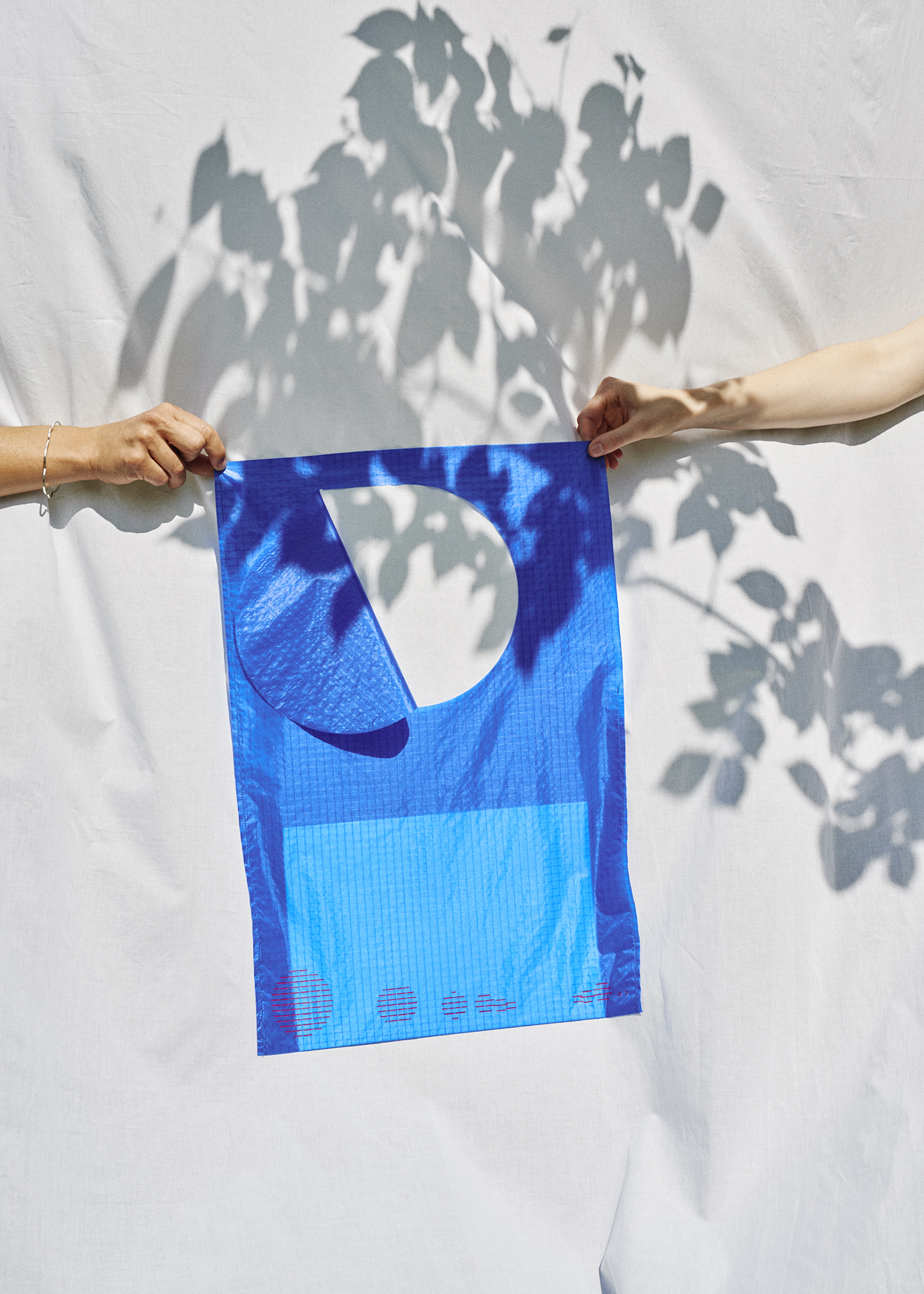
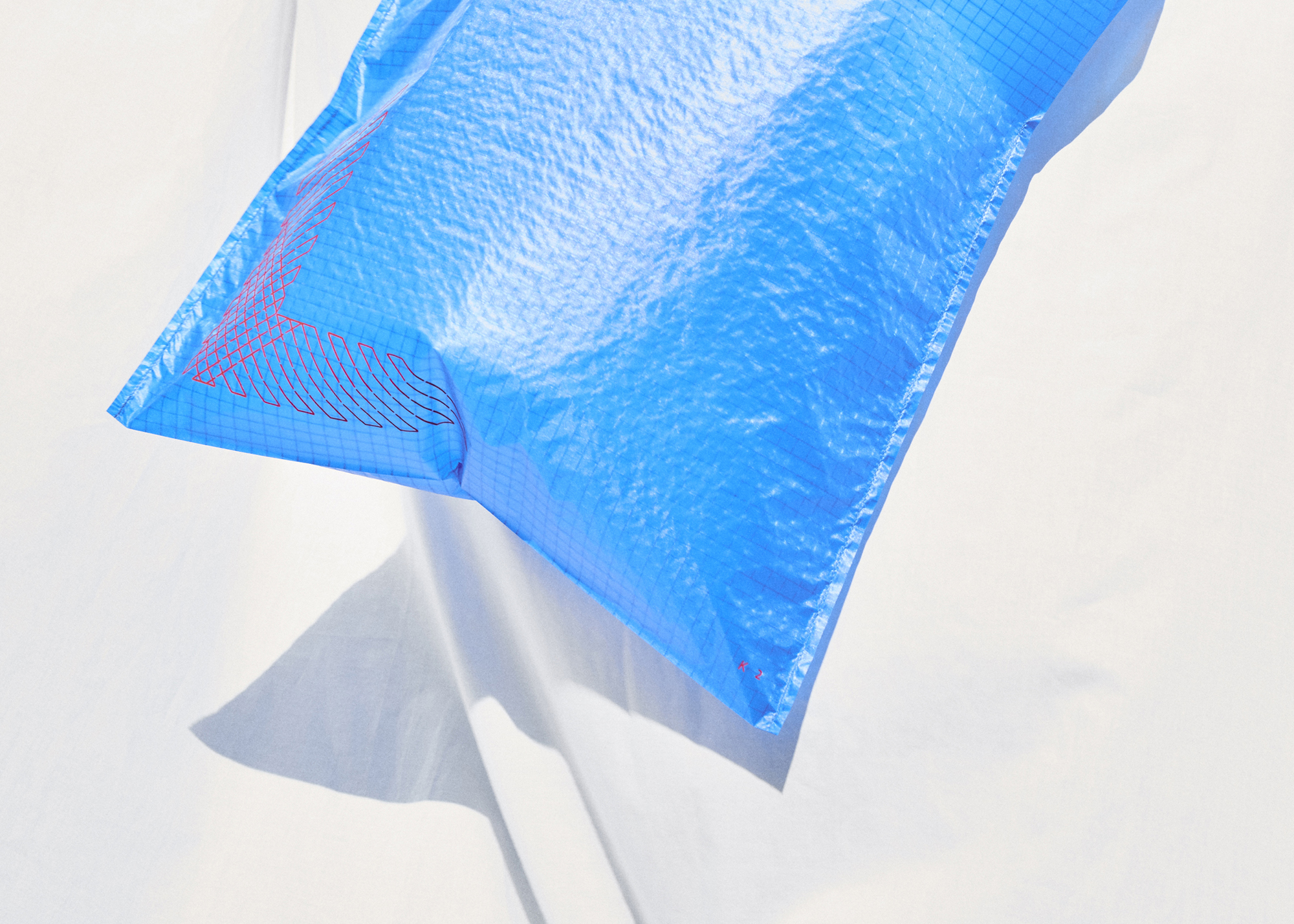
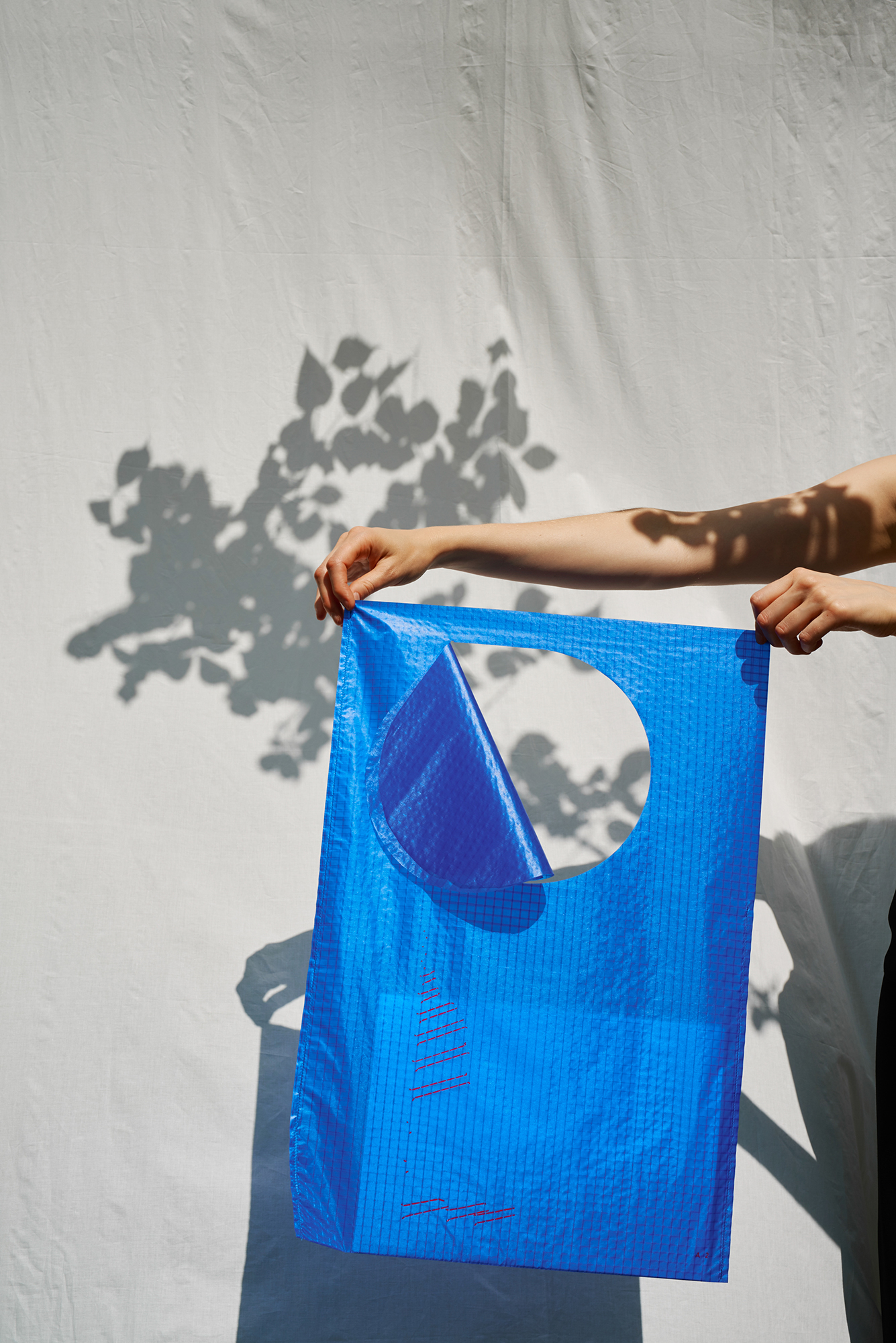
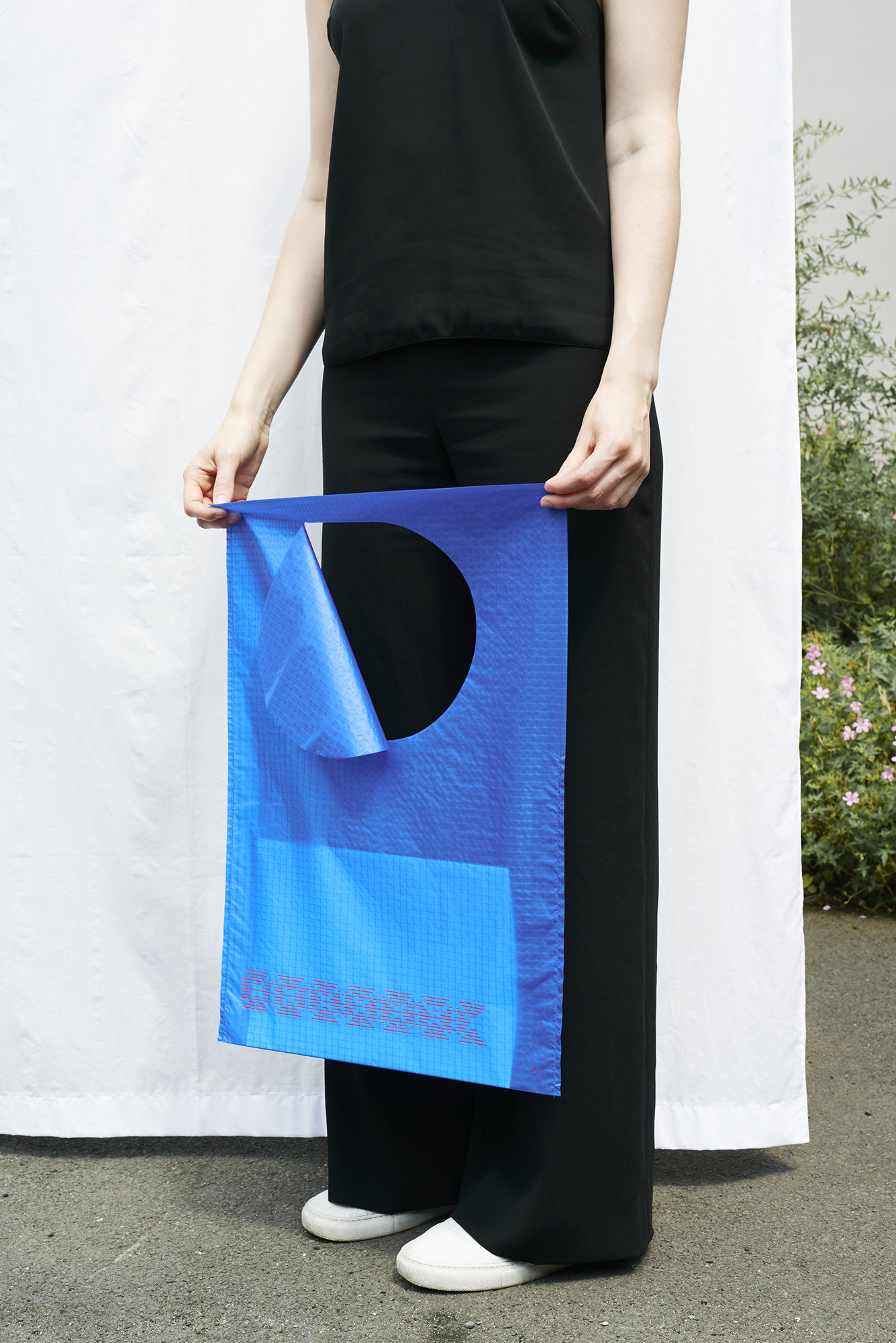
Kath ist eine Tasche für den Documentabesucher, die zugleich modisches Accessoire und Andenken an die d14 ist - die erste documenta, die nicht nur in Kassel, sondern auch in Athen stattfindet. Zwei Städte werden miteinander verbunden, die auf den ersten Blick nicht viel gemeinsam haben. In grafischer Arbeit werden Parallelen und Äquivalenzen beider Stadtbilder gesucht, auf subtile Weise dargestellt und als Druckmotive verwendet. Die Tasche besteht aus superleichtem PU-beschichteten Ripstop-Nylon und einem einzigen Schnittteil, das im Bruch gelasert wird. Ein Einschnitt in D-Form bildet die Träger.


Kath is a bag for the documenta visitor, that is fashionable accessory and souvenir of the d14 at the same time - the first documenta that takes place not only in Kassel but also in Athens. Two cities are being connected, which do not have much in common at first sight. In a graphic work, parallels and equivalencies of both cityscapes are searched, subtly outlined and used as print motifs. The bag consists of super-lightweight PU-coated Ripstop-Nylon and a single pattern piece, that is folded in half and laser-cut. A D-shaped cutting forms the straps.

photos: Fabian Frinzel

CUPPA

2017

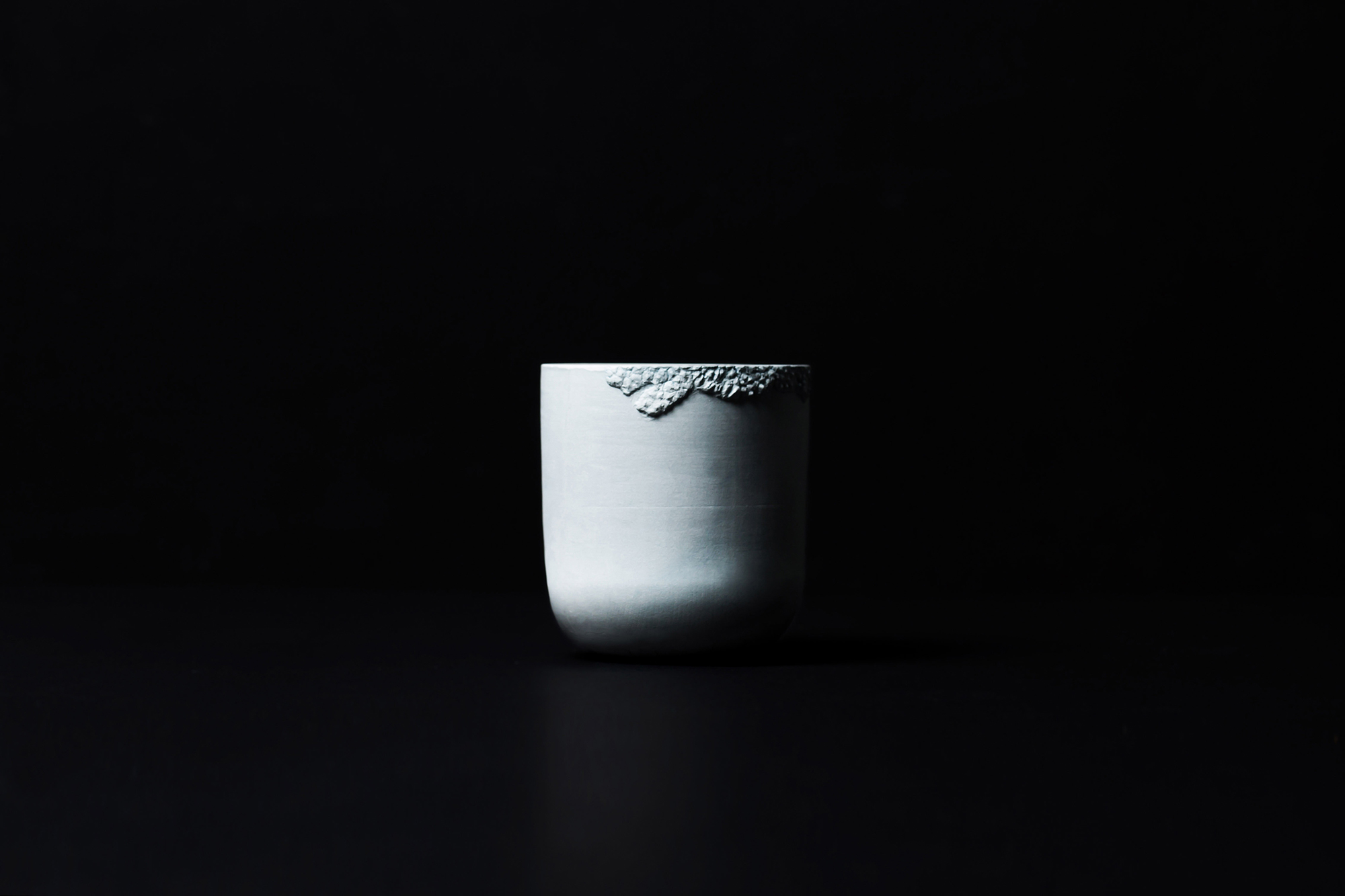
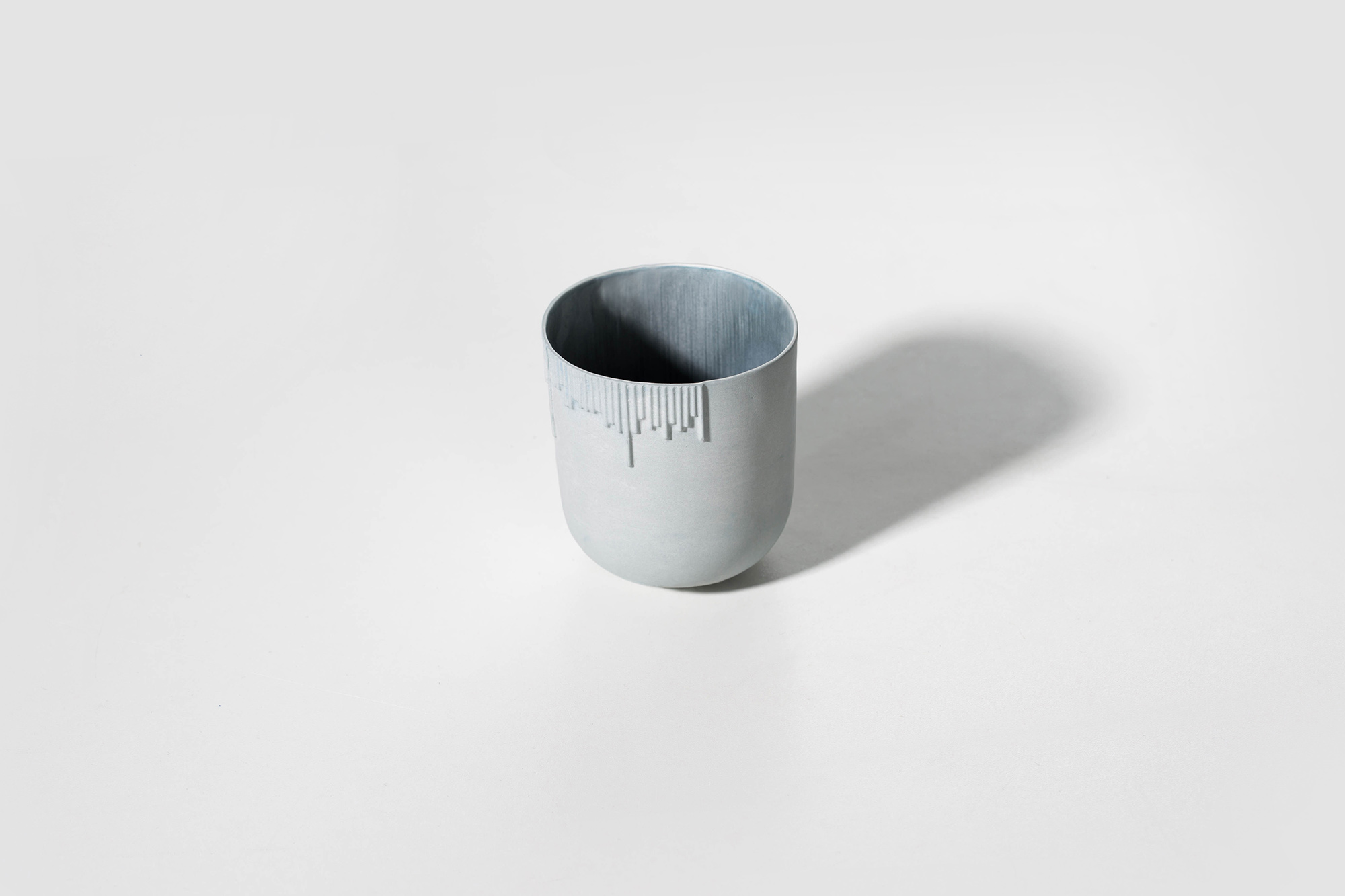
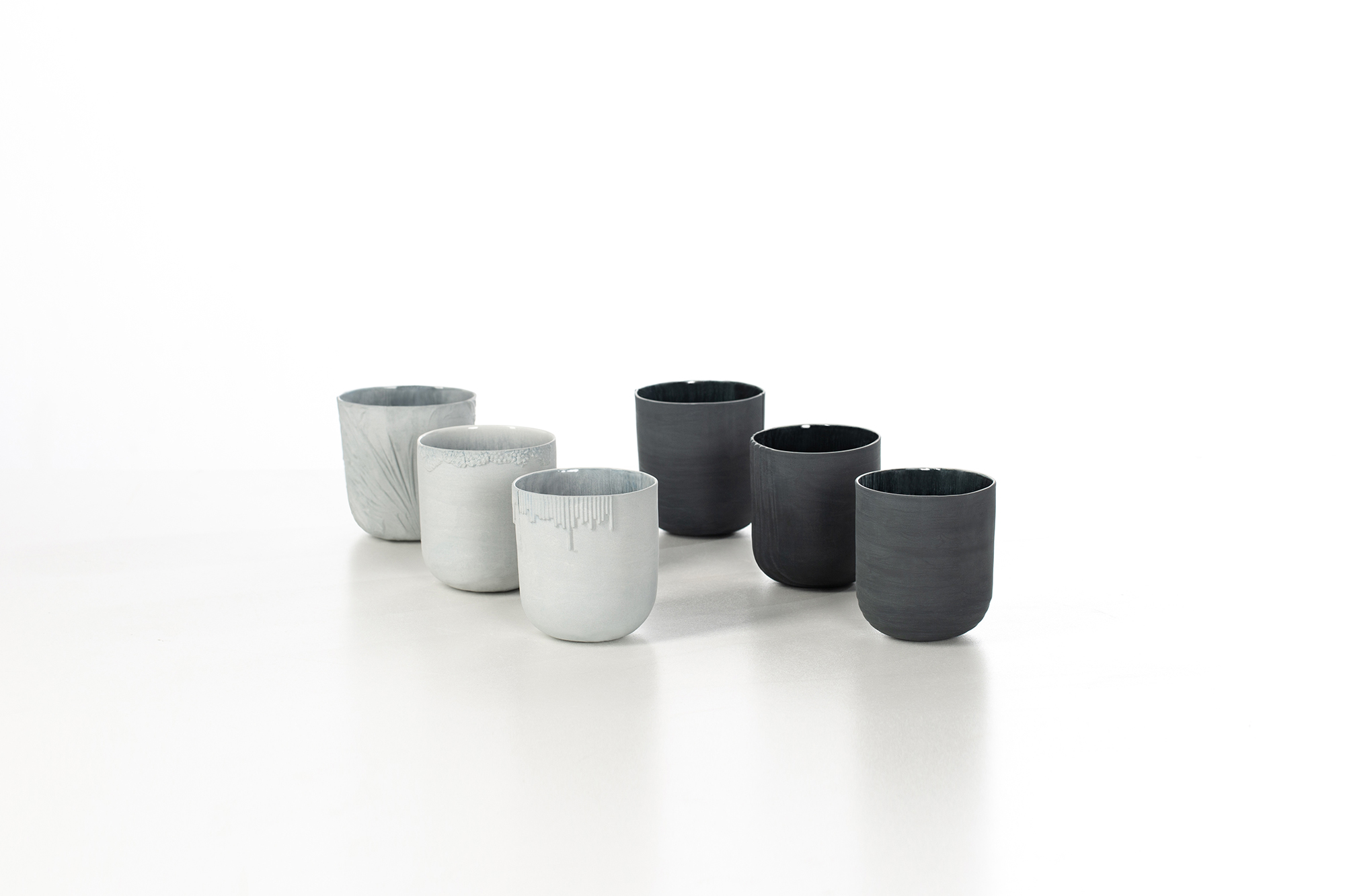
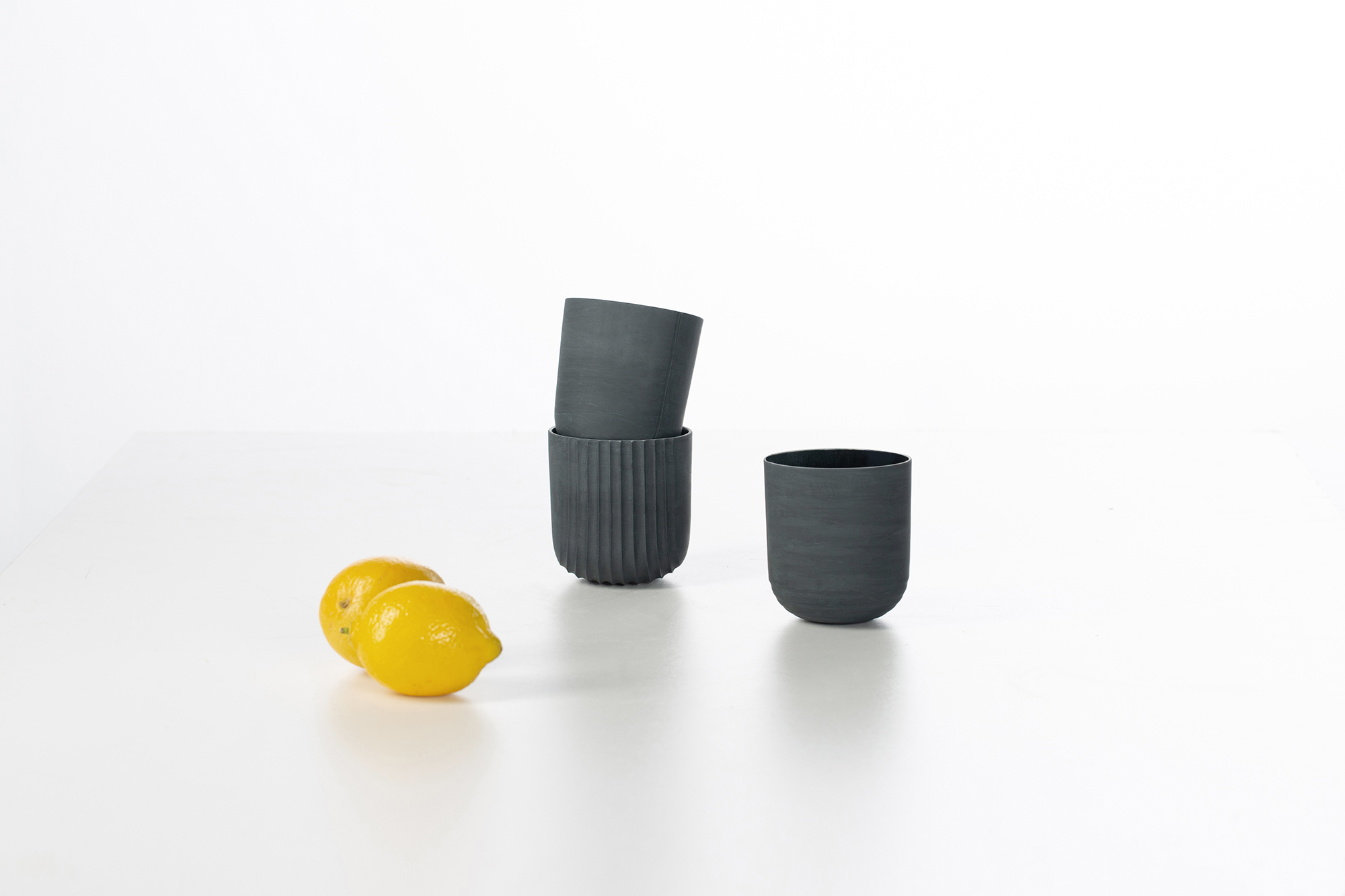
Im Fokus dieses Projekts steht die haptische Ästhetik, der in unserer visuell dominierten Welt wenig Bedeutung beigemessen wird. Trinkgefäße als Objekte des Alltags, mit denen wir besonders eng und intensiv in Berührung kommen, werden zu subtil stimulierenden Objekten für Hände und Mund. Beim Verzehr einer Tasse Tee tritt neben das olfaktorische und gustatorische Erlebnis so auch der haptische Genuss. Die sechs Varianten der Kollektion nutzen unterschiedliche haptische Stilmittel und regen zum spielerischen Berühren und Nachfahren der Oberfläche an.


The focus of this project is on haptic aesthetics, which do not hold great importance in our visually dominated world. Drinking cups as everyday objects which we are in very close contact with, turn into subtly stimulating objects for hands and mouth. Like this, enjoying a cup of tea brings about not only the gustatory and olfactory experience but also a haptic pleasure. The six variants of the collection use different haptic elements and stimulate to playfully touch and discover a highly detailed surface.

photos: Lea Lüdtke
ANGLED

2015

Der Raumteiler Angled nimmt Bezug auf die Position des Betrachters und spielt mit dessen Bewegung im Raum. Die sichtbaren Ausschnitte dessen, was hinter dem Objekt liegt, werden minimiert, je weiter sich der Betrachter von einem bestimmten Winkel entfernt - bis sich aus frontaler Perspektive eine geschlossene Fläche zeigt. Es entsteht ein reizvolles Wechselspiel zwischen dem Sichtbaren und dem Nichtsichtbaren.


The room divider Angled refers to the oberver‘s position and plays with his movement in space. The visible sections of what lies behind the object, are minimized, the further the observer moves from a certain angle - until, from a frontal view, a closed surface appears. An appealing interplay of the visible and the invisible arises.

photos: Liang Zhang

REFLECTIVE DRESS

2015

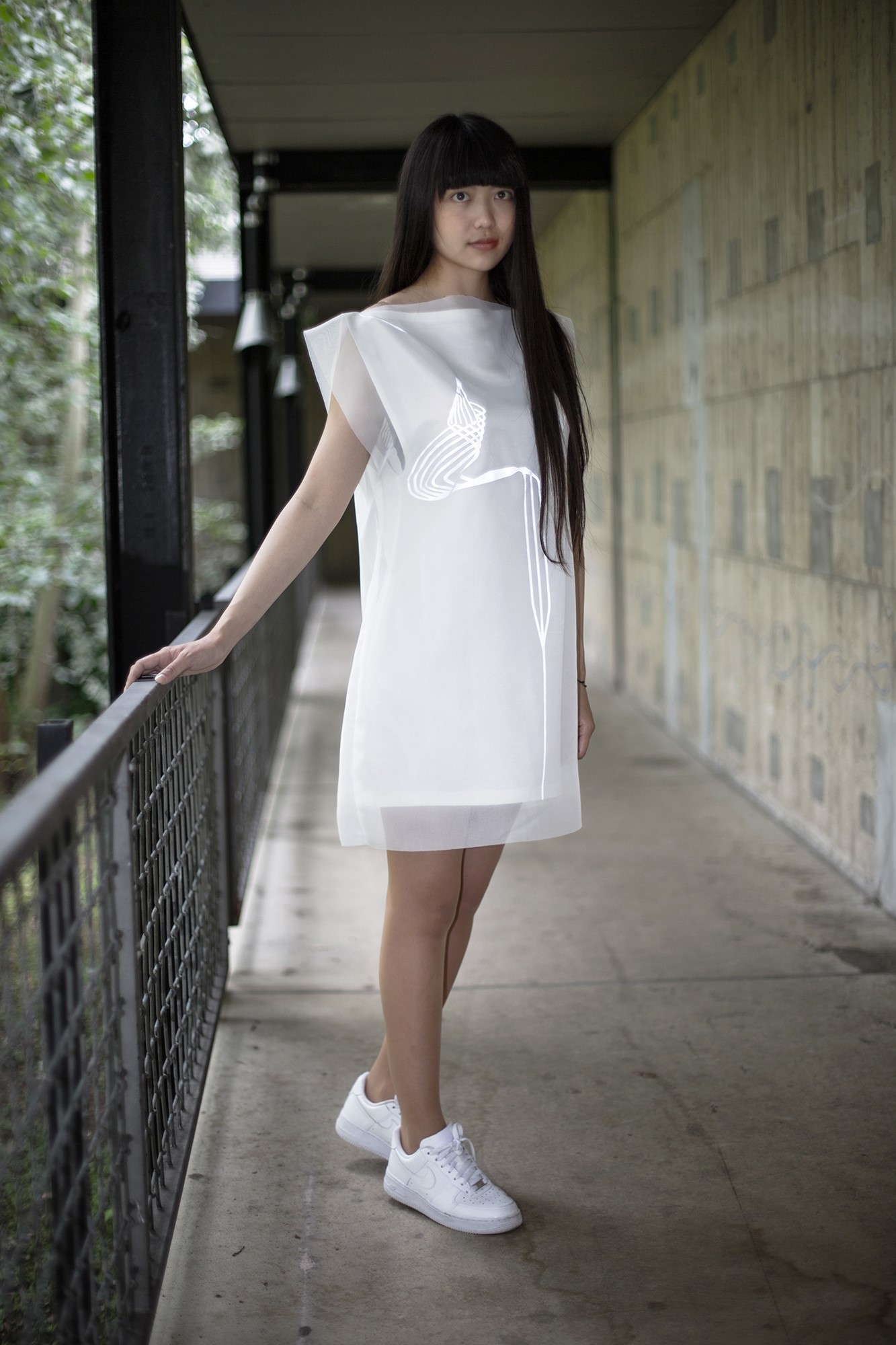
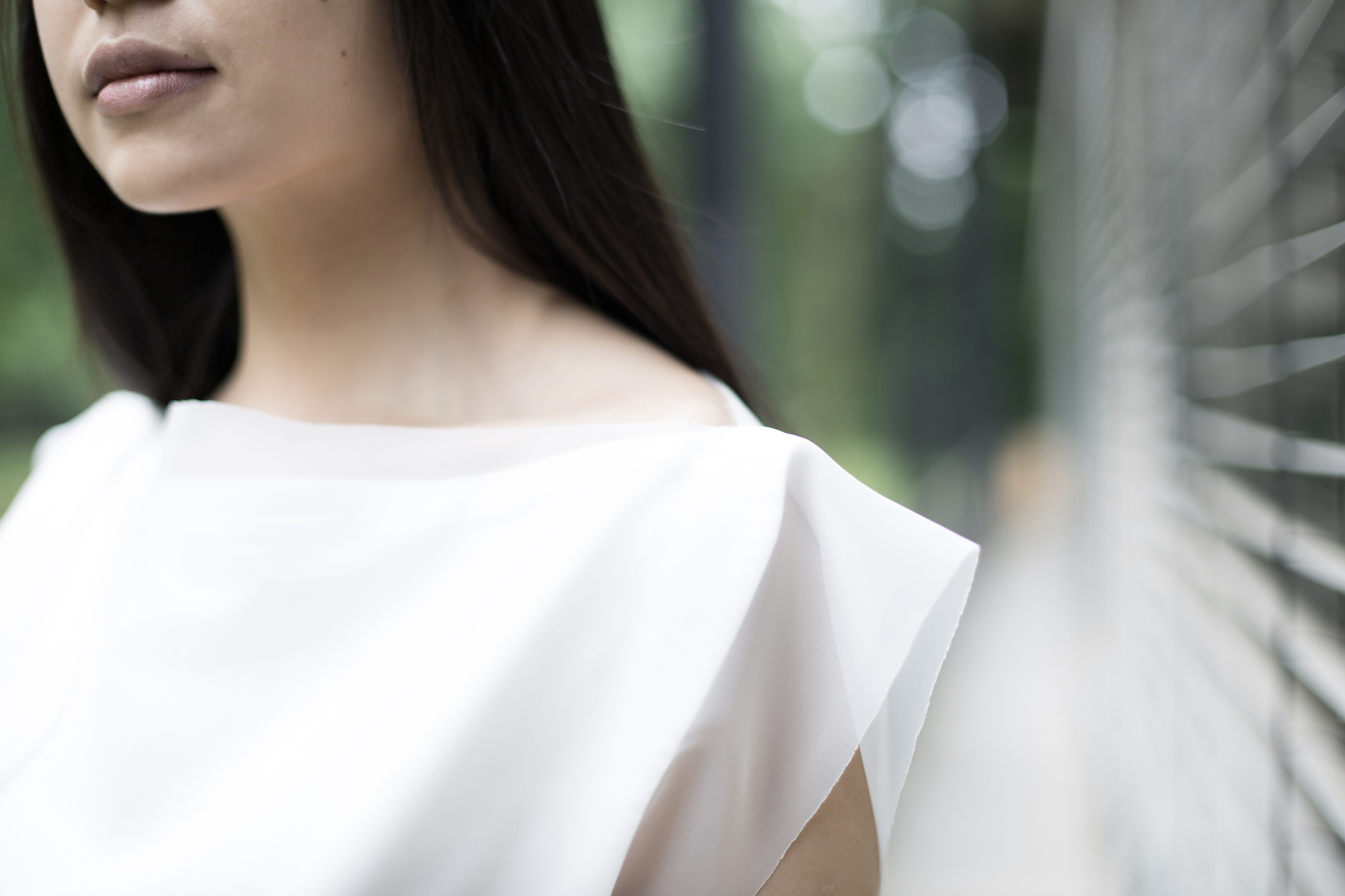
Reflective Dress thematisiert das ästhetische Potenzial reflektierender Textilien. Das Spiel mit Lichteinfall, Transparenz und Verhüllung lässt das Material im neuen Kontext zum wesentlichen Gestaltungsmittel mit eigener Sprache werden. Aus dem bekannten sachlichen Ausdruck als Funktionstextil wird so ein sinnlich-zartes Erscheinungsbild - eine meist unbeachtete Qualität jener Stoffe.


Reflective Dress represents the aesthetic potential of reflective textiles. The play of light incidence, transparency and covering lets the material become the main design element with its own expression by putting it into a new context. Like this, the well-known factual look of performance textiles shifts to a sensual delicate appearance - a mainly unnoticed quality of these fabrics.

photos: Liang Zhang

model: Hongqiao Gu

LID VASE

2014

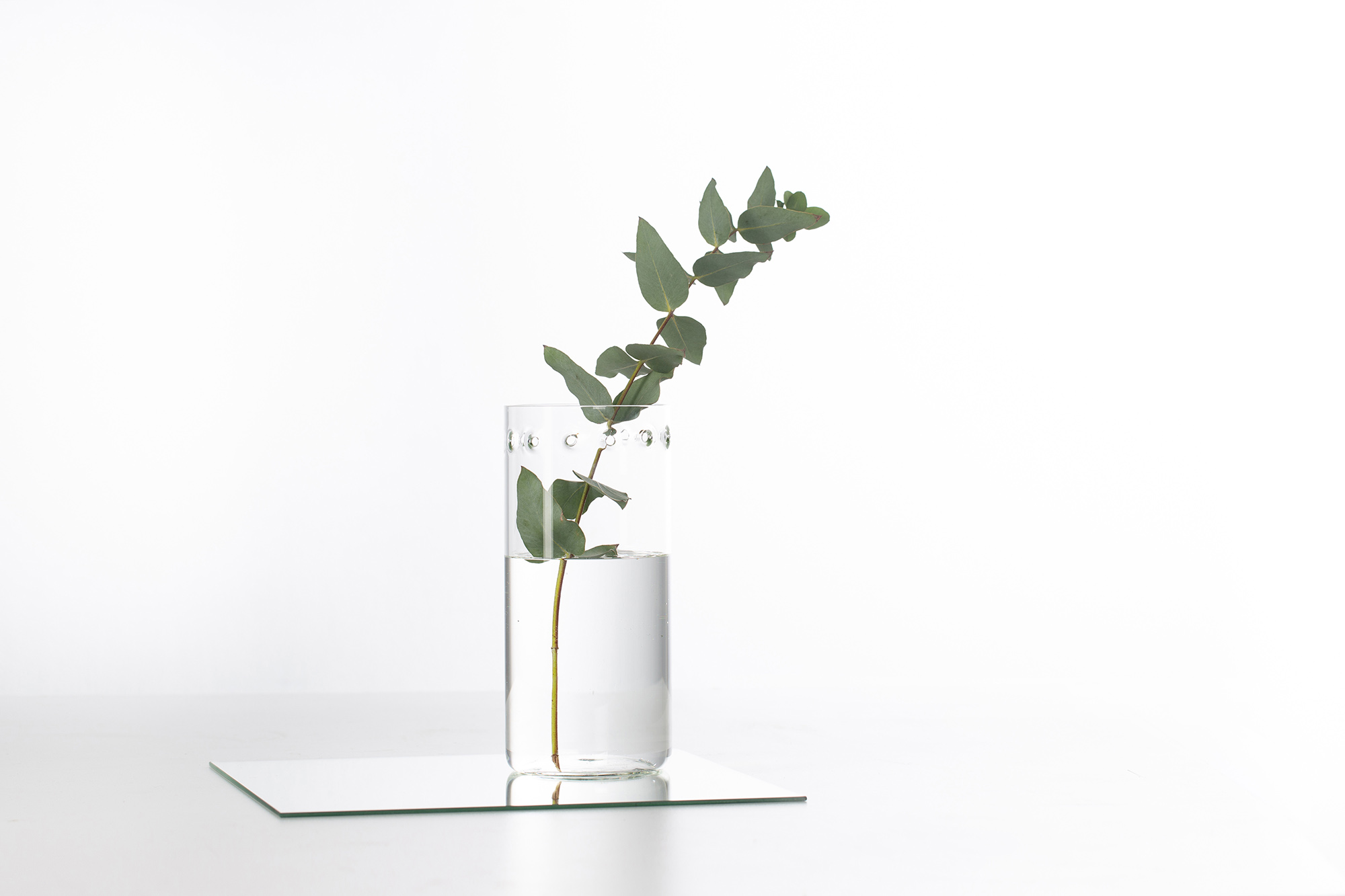
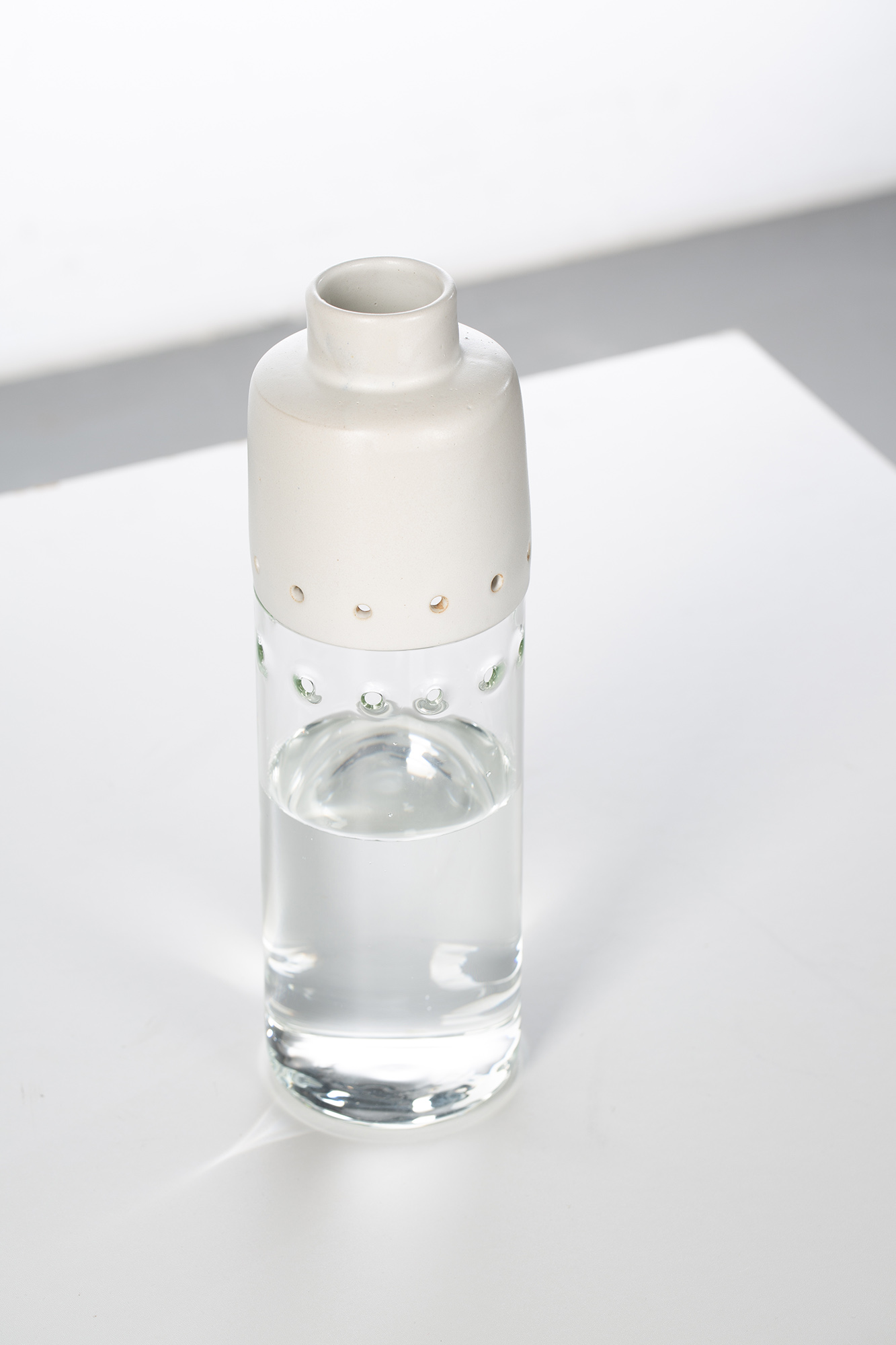
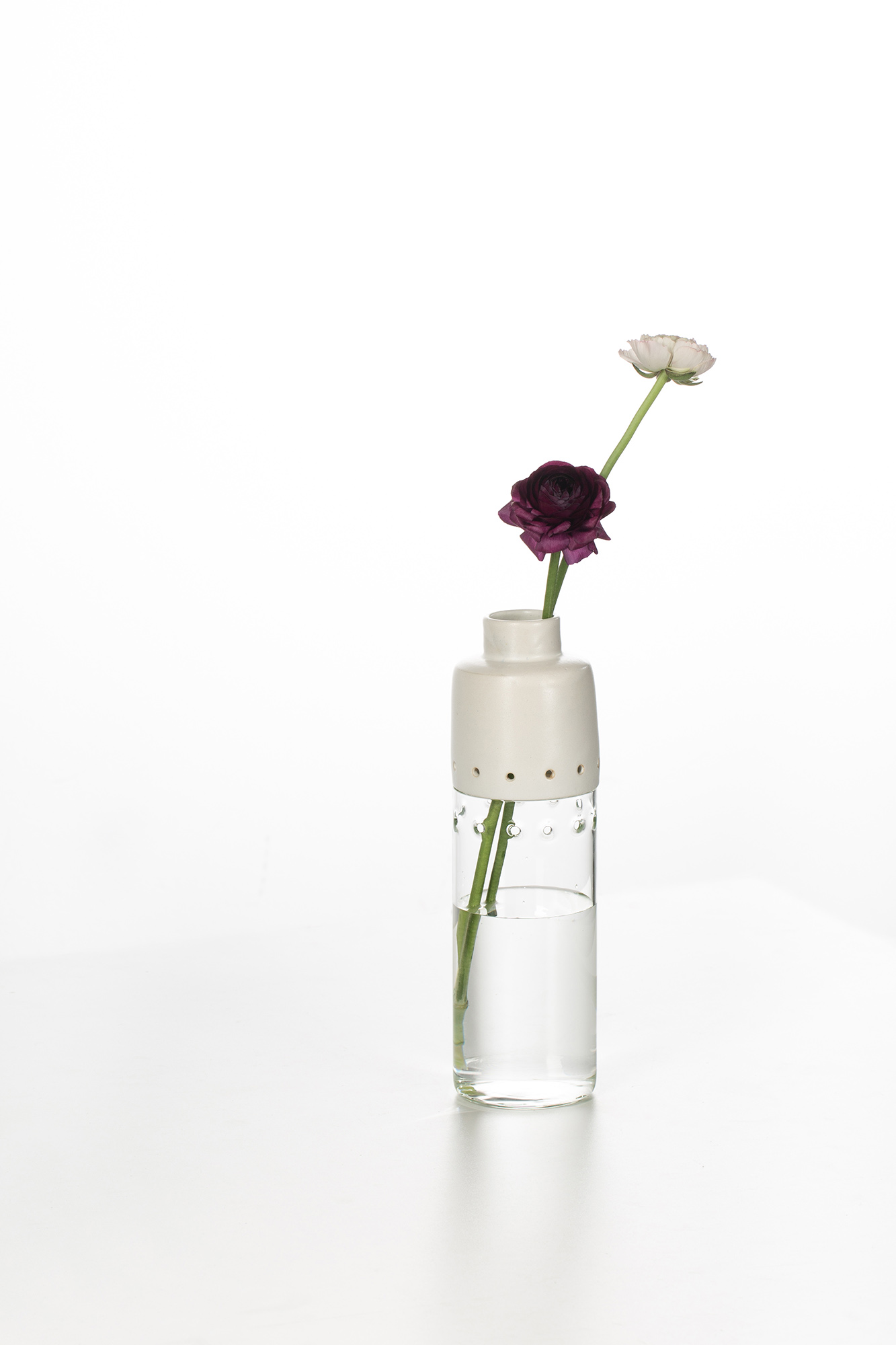
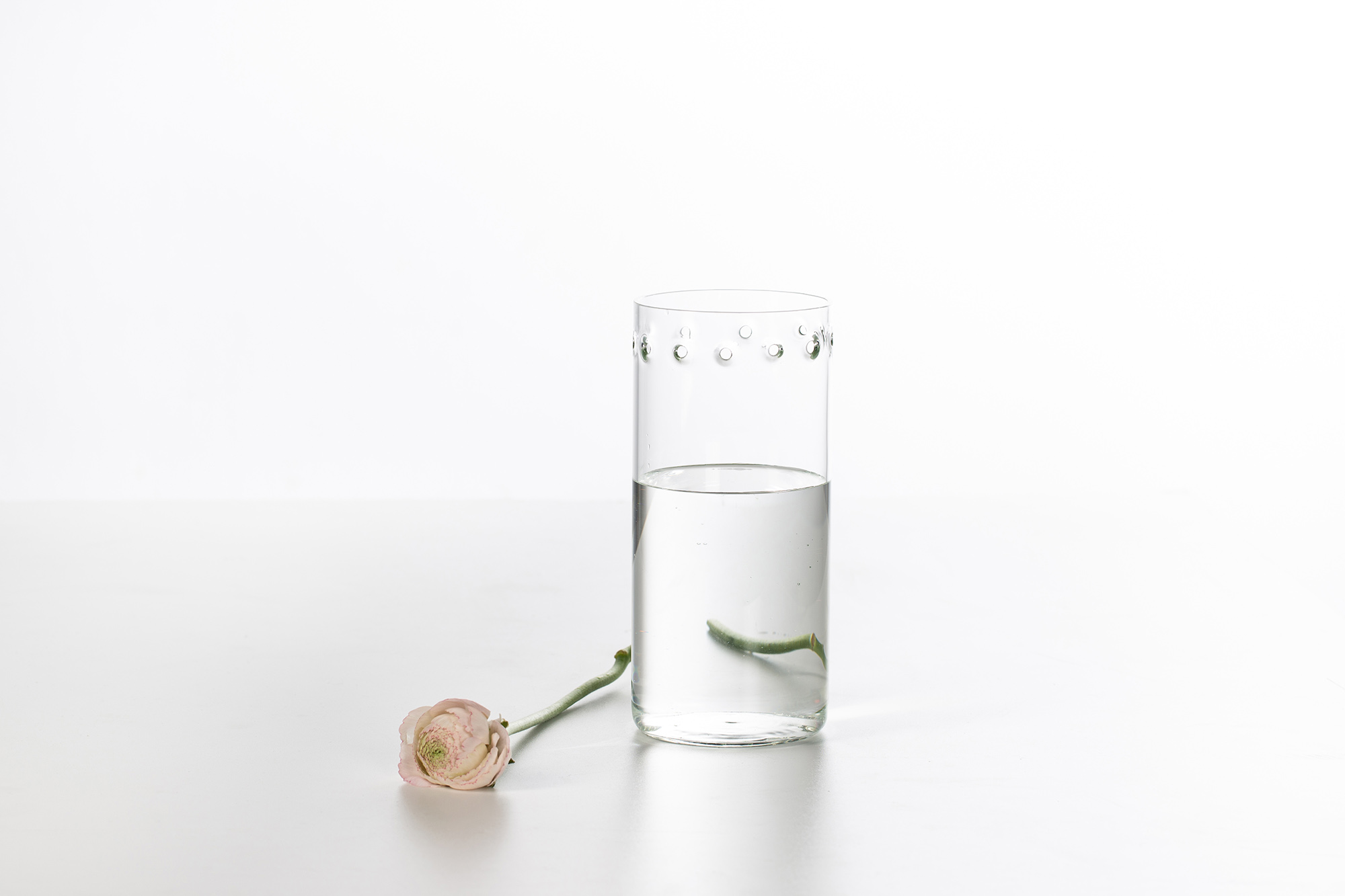
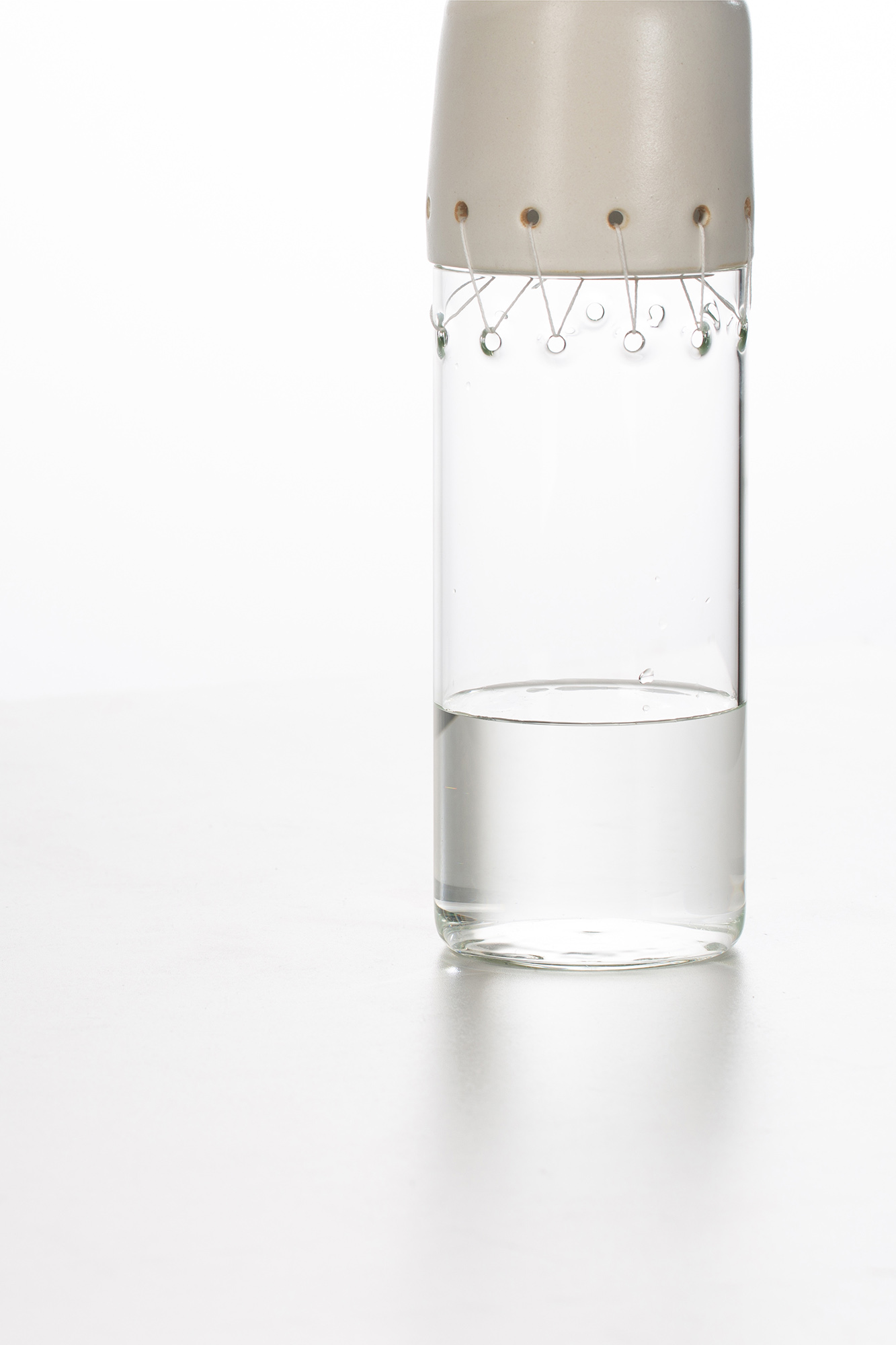
Das Projekt Lid kombiniert das keramische mit dem textilen Handwerk, die einander recht fern liegen. Dabei werden die Vorteile eines Handwerks gegenüber dem jeweils anderen genutzt und betont. Diese Vorteile verschmelzen zu einer Vase mit unterschiedlichen Aufsätzen, die dem Benutzer formale und funktionale Auswahlmöglichkeiten anbieten - je nach Beschaffenheit und Anzahl der Blumen. Die Schnur als verbindendes Element zitiert die Technik des Nähens als flexible und ornamentale Verbindungstechnik.


The project Lid combines the ceramic with the textile craft, which are quite far from one another. In doing so, the advantages of one craft over the other are used and emphasised. These virtues merge into a vase with several attachments, that offer a functional and formal range of choice to the user - depending on look and dimension of the bouquet. The cord as a connecting element represents the technique of sewing and stresses its values as a flexible and ornamental joint.

photos: Lea Lüdtke